Where Summer Moves Slowly: A Journey Through Jibhi Valley
10 Jan 2026•3 min read
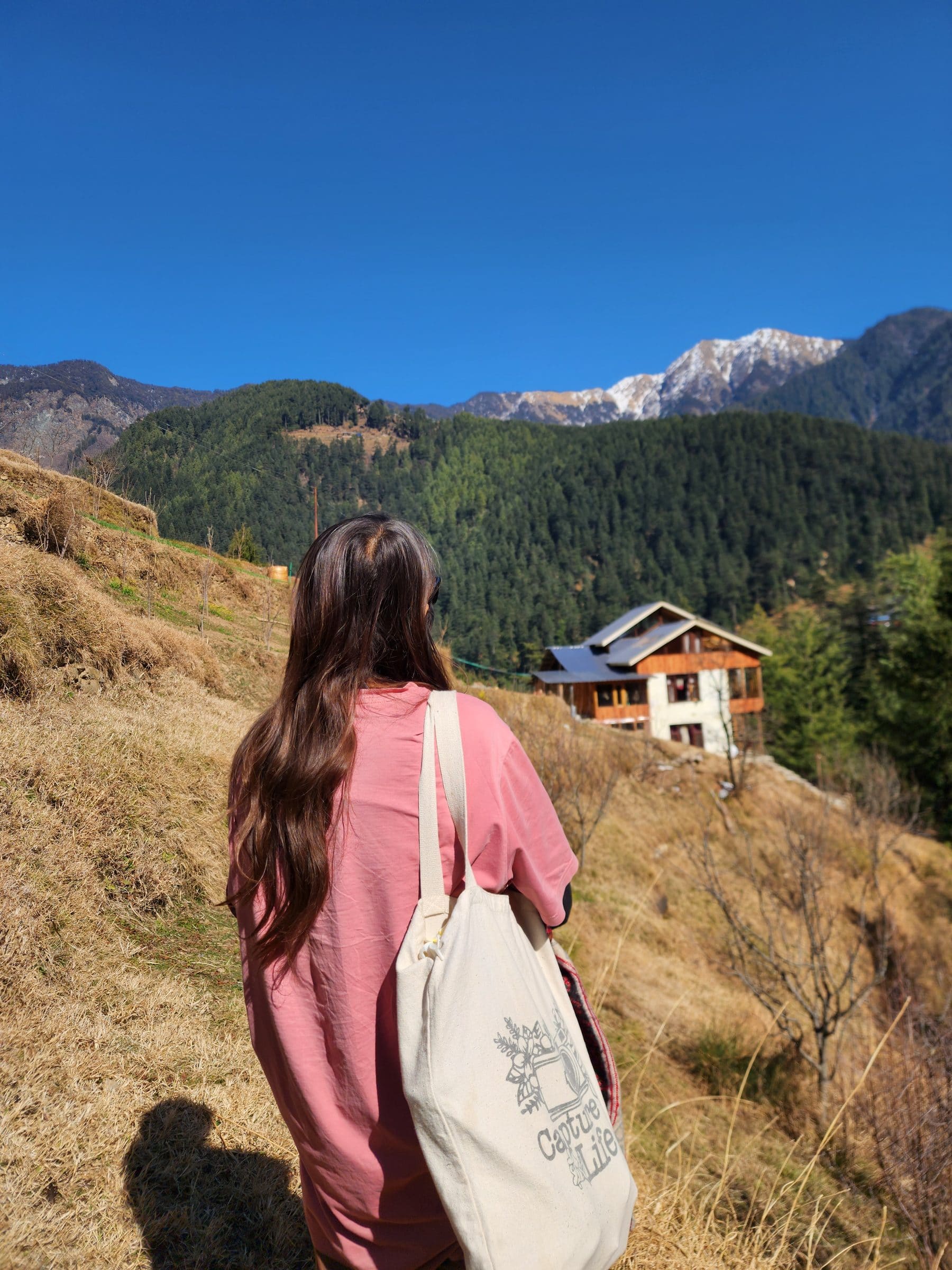
Jibhi in summer offers cool weather, lush trails, and peaceful stays. Discover what to do, how to reach, and where to stay for a slow mountain escape.
Share this guide
Jibhi in Summer: A Cool Mountain Escape
Summer in Jibhi Valley (March–June) is nothing short of magical. At 2250m, the air stays crisp and refreshing while the rest of India swelters. This is the season when apple orchards bloom into fragrant green canopies, the Tirthan River sparkles under clear skies, and the local rhythm of ailyak—the unhurried way of being—feels most alive. If you're searching for a peaceful hill retreat that’s off the beaten path, Jibhi in summer offers the perfect balance of natural beauty, cultural depth, and quiet solitude.
What’s the weather like in Jibhi during summer?
From March to June, Jibhi enjoys mild days and cool nights. Daytime temperatures range between 18°C and 25°C, making it ideal for outdoor exploration. Mornings are often mist-kissed, with sunlight breaking through the deodar forests by mid-morning. Nights remain chilly, especially in March and April, so pack a light woolen layer. Unlike the monsoon months, summer brings stable weather with minimal rain—perfect for treks, riverside walks, and photography.
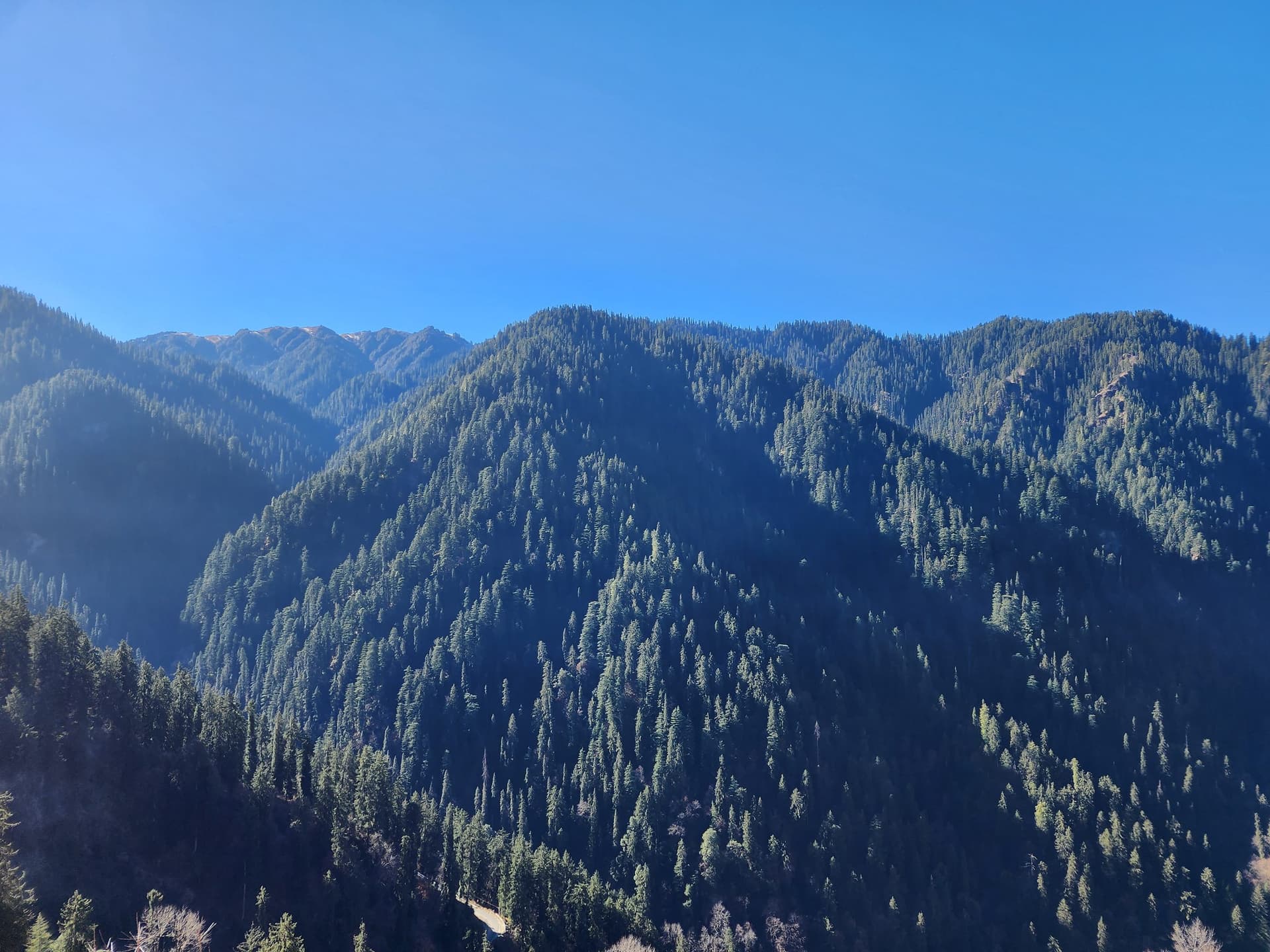
Dense green pine forests covering rolling mountains under a clear blue sky
Is Jibhi open in summer?
Yes, Jibhi is fully accessible in summer. In fact, March to June is one of the best times to visit. Roads remain clear, and NH305 from Aut Tunnel to Banjar and Jibhi is in good condition. With no snow or landslides to worry about, travel from Delhi (535 km, 12–13 hours) or Manali (145 km, 4–5 hours) is smooth and scenic. The summer months also mark the opening of Jalori Pass, which reopens around April and stays accessible until December.
What to do in Jibhi in summer?
Summer unlocks the valley’s full range of experiences. Start with a peaceful walk to Jibhi Waterfall, just a 15-minute stroll from the village center. The pool at the base is perfect for a refreshing dip. For culture and heritage, hike to Chehni Kothi, a 500-year-old wooden tower rising nine storeys into the sky—reached via a 45-minute trek through pine-scented trails.
Adventure seekers head to Jalori Pass (3120m), a 45-minute drive from Jibhi. From here, treks to Serolsar Lake and Raghupur Fort open up—both offering breathtaking views, sacred lore, and alpine serenity. The trail to Serolsar winds through dense deodar forests, alive with birdsong and the chance to spot the Himalayan Monal. Raghupur Fort, perched at 3300m, delivers 360° views of snow-dusted peaks and rolling meadows.
Back in the valley, try trout fishing in the Tirthan River—just remember to carry a permit from Banjar or Larji. Or simply wander through apple orchards, sip local tea at a village dhaba, and let the pace of ailyak settle into your bones.
Where to stay in Jibhi with mountain views and peace?
For travelers seeking stays that embody the spirit of Jibhi, Ailyak Stays & Experiences offers thoughtfully designed homestays in Jibhi(Seri) and Shoja. Nestled amidst orchards and riverside trails, their wooden cottages blend traditional Kullu architecture with modern comfort. Choose from private rooms or cozy dorms, all centered on stillness and connection.
Guests can join forest bathing walks, riverside picnics, cold water dipping, and creative workshops with local artists. Evenings unfold around bonfires, shared stories, and slow meals at the Ailyak Café—a tranquil “third space” serving nourishing food in the heart of the hills.
With reliable WiFi, parking, and local transport support, Ailyak balances simplicity with convenience—making it an ideal base for explorers and remote travelers alike.
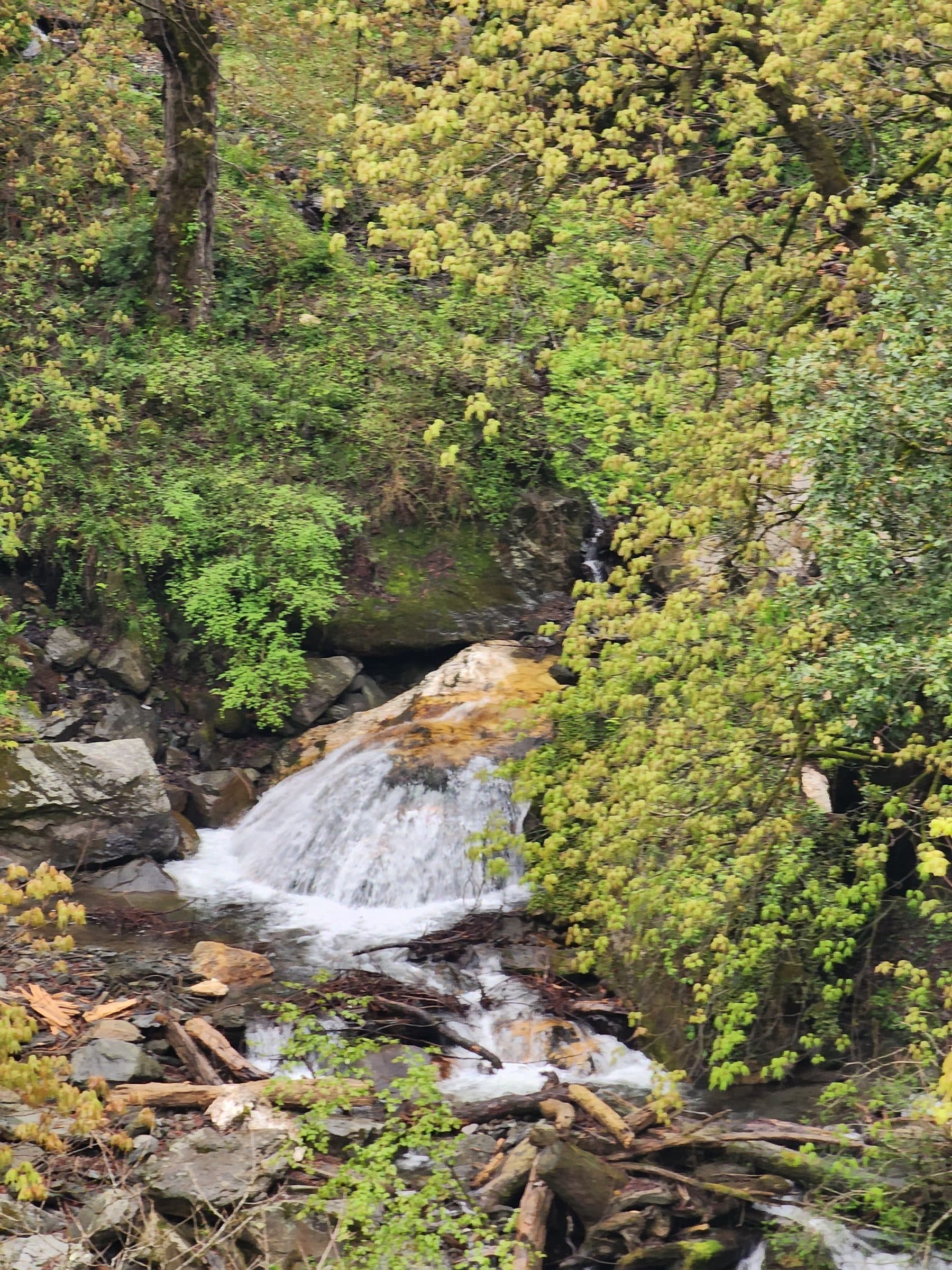
Water flowing over rocks surrounded by dense green foliage and moss, Near Ailyak Seri
Travel tips for visiting Jibhi in summer
- Only one ATM in Jibhi—carry cash from Banjar (10 km away).
- Mobile networks are patchy; BSNL and Jio work best.
- Pack layers—mornings and nights are cool.
- Fill fuel in Banjar or Aut; no station in Jibhi.
- Respect local customs—temples like Shringa Rishi are active religious sites.
Jibhi Trip Essentials
For planning routes, timing, and live conditions, use the core Jibhi guides:
How to Plan a Summer Visit to Jibhi Valley
A step-by-step guide to enjoying a peaceful and scenic summer getaway in Jibhi Valley.
Total Time: 1 hour
1
Check the Summer Weather
Visit between March and June when temperatures range from 18°C to 25°C during the day. Expect cool, misty mornings and chilly nights—pack light woolens, especially if traveling in early summer.
2
Plan Your Route
Travel via NH305 from Aut Tunnel to Banjar and then to Jibhi. The roads are clear and safe in summer, with smooth access from Delhi (535 km, 12–13 hours) or Manali (145 km, 4–5 hours).
3
Visit Key Attractions
Explore Jibhi Waterfall with a 15-minute walk from the village center. Enjoy riverside walks along the Tirthan River, trek through deodar forests, and experience blooming apple orchards.
4
Cross Jalori Pass (Optional)
Take advantage of the reopened Jalori Pass (accessible from April to December) for scenic drives and panoramic views of the Himalayas.
5
Embrace the Local Culture
Immerse yourself in the slow, mindful rhythm of life known as *ailyak*—spend quiet time in nature, interact with locals, and enjoy the cultural richness of this offbeat mountain destination.
Frequently Asked Questions
The best time to visit Jibhi Valley is during summer, from March to June, when the weather is mild, the roads are clear, and the natural beauty is at its peak.
During summer, Jibhi experiences mild days with temperatures between 18°C and 25°C, cool nights, and minimal rainfall. Mornings are often misty, with sunlight filtering through deodar forests by mid-morning.
Yes, Jibhi is fully accessible in summer. Roads, including NH305 from Aut Tunnel to Banjar, are in good condition with no snow or landslides, making travel from Delhi or Manali smooth and scenic.
In summer, visitors can enjoy a walk to Jibhi Waterfall, hike to the historic Chehni Kothi tower, or drive to Jalori Pass for treks to Serolsar Lake and Raghupur Fort, all offering stunning views and peaceful surroundings.
Yes, Jalori Pass reopens around May and remains accessible until October, making summer an ideal time for treks to Serolsar Lake and Raghupur Fort from Jibhi.
Yes, nights in Jibhi can be chilly during summer, especially in March and April, so it's advisable to pack a light woolen layer for comfort.
Related reads
- Where the Mountains Whisper: Discovering Jibhi Tirthan Valley’s Quiet Magic
Jibhi Tirthan Valley guide: best places to visit, weather, safety, and how to reach. Discover serene treks, homestays, and the true spirit of ailyak in Himachal Pradesh.
- Ailyak Stays Jibhi: Where Time Slows and Mountains Speak
Ailyak Stays Jibhi: Experience slow mountain living in Tirthan Valley. Wooded homestays, river walks, and mindful retreats in Himachal Pradesh.
- Where the Mountains Whisper: Your Complete Guide to Jibhi Valley in Spring 2026
Best places to visit in Jibhi, Himachal Pradesh in 2026. From Jalori Pass to Chehni Kothi, explore Jibhi Valley with local insights on weather, safety, and travel tips.
- Where the Mountains Whisper: Why Jibhi Valley Is Himachal’s Best-Kept Secret
Jibhi Valley guide: places to visit, weather, best time to go, and travel tips. Discover Tirthan Valley’s soulful heart—where slow living meets the Himalayas.
- Where the Mountains Whisper: A True Escape to Jibhi Tirthan Valley
Nestled in Himachal Pradesh, Jibhi Tirthan Valley is a serene mountain sanctuary where time stands still. Discover untouched beauty, whispering deodars, and soul-soothing escapes in this hidden Himalayan gem.
- Where the Mountains Whisper: Your Guide to Jibhi Valley in April 2026
Best places to visit in Jibhi, Himachal Pradesh — from Jalori Pass to Chehni Kothi. Complete guide for 2026 with weather, safety, travel tips, and where to stay.
Stay Updated
Subscribe to our newsletter for travel tips and updates about Jibhi.