Where the Mountains Whisper: Why Jibhi Valley Is Himachal’s Best-Kept Secret
29 Mar 2026•3 min read
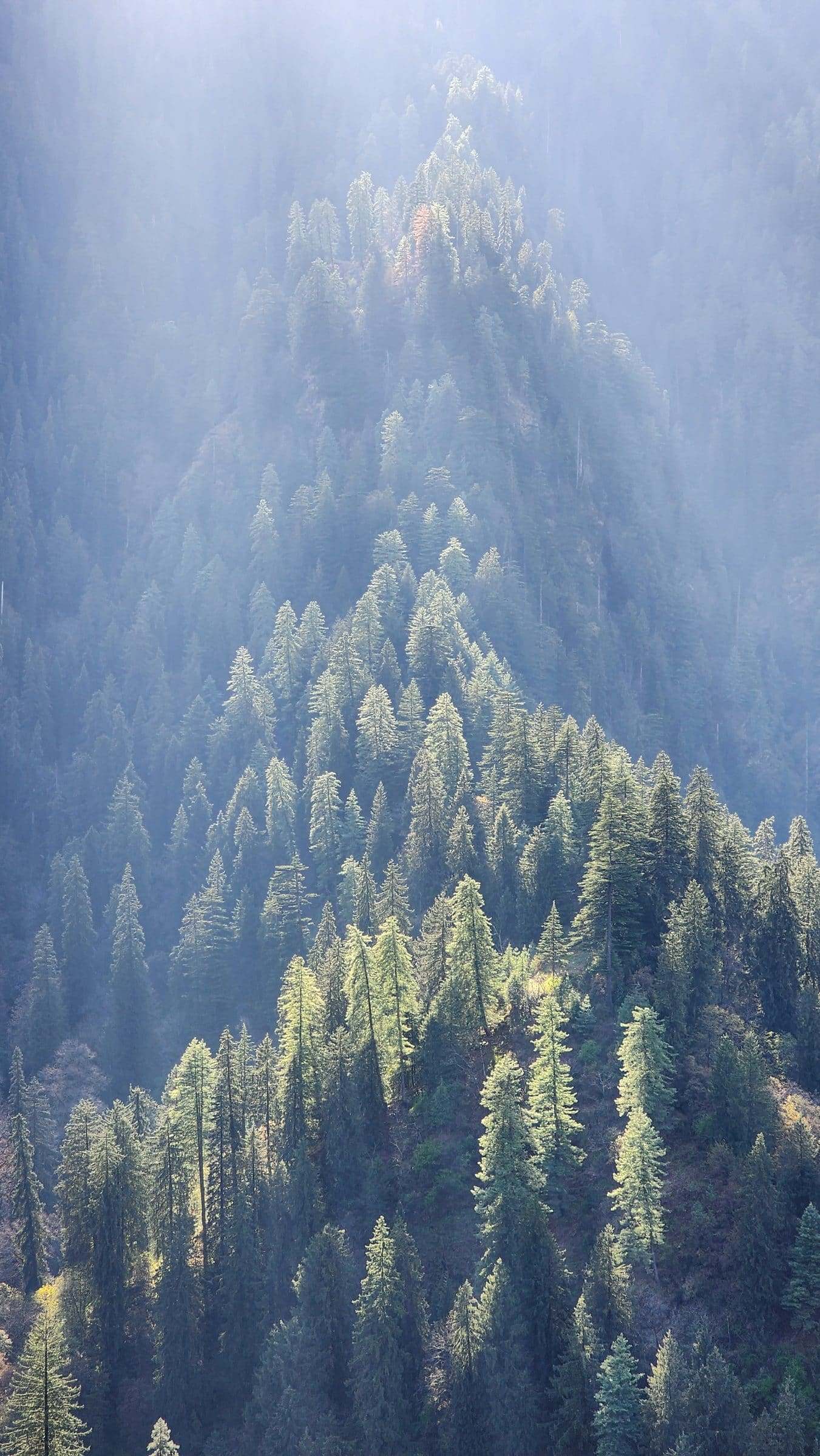
Jibhi Valley guide: places to visit, weather, best time to go, and travel tips. Discover Tirthan Valley’s soulful heart—where slow living meets the Himalayas.
Share this guide
Where is Jibhi Valley in Himachal Pradesh?
Tucked in the serene Tirthan Valley of Kullu District, Jibhi, Himachal Pradesh sits at an altitude of 2250 meters along the crystal-clear Tirthan River. It’s part of the buffer zone of the UNESCO-listed Great Himalayan National Park and acts as the gateway to Jalori Pass. Unlike busier hill towns, Jibhi embraces ailyak—a local word with no English equivalent, meaning a life lived calmly, fully, without rush.
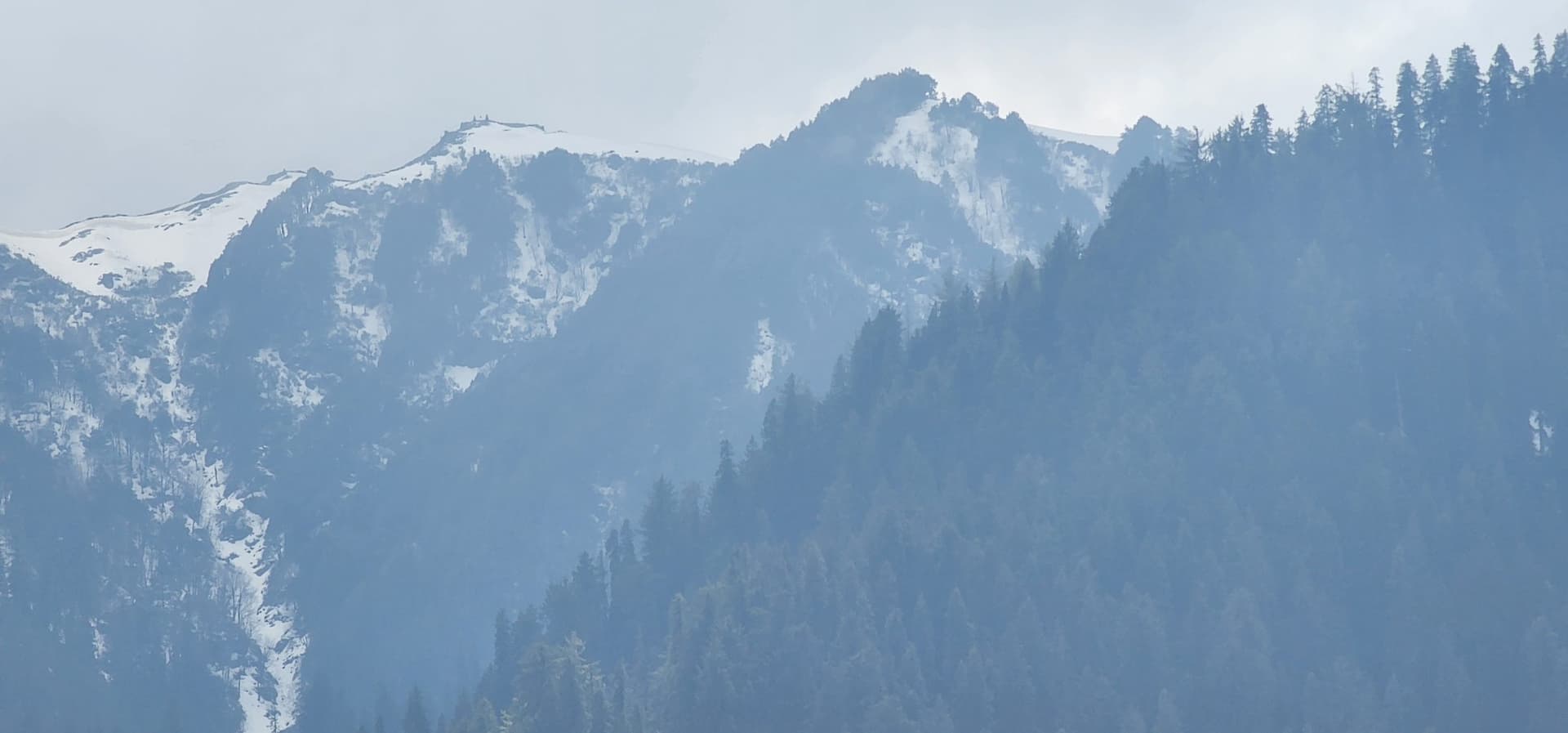
View of dense green pine forests covering hazy mountains in Jibhi Valley, Himachal Pradesh.
What to do in Jibhi & What to Do in Jibhi Valley
Jibhi isn’t about ticking off attractions—it’s about sinking into mountain life. Walk to the Jibhi Waterfall, just 1 km from the village center, where a 15-minute forest path opens to roaring cascades and a cool pool perfect for summer dips. Explore Chehni Kothi, a 500-year-old 9-storey wooden fortress, reached via a 45-minute trek through quiet villages and whispering pines.
For deeper immersion, take a guided river walk, practice forest bathing, or camp under star-drenched skies—experiences thoughtfully offered by Ailyak Stays & Experiences, where slow travel is lived, not just preached.
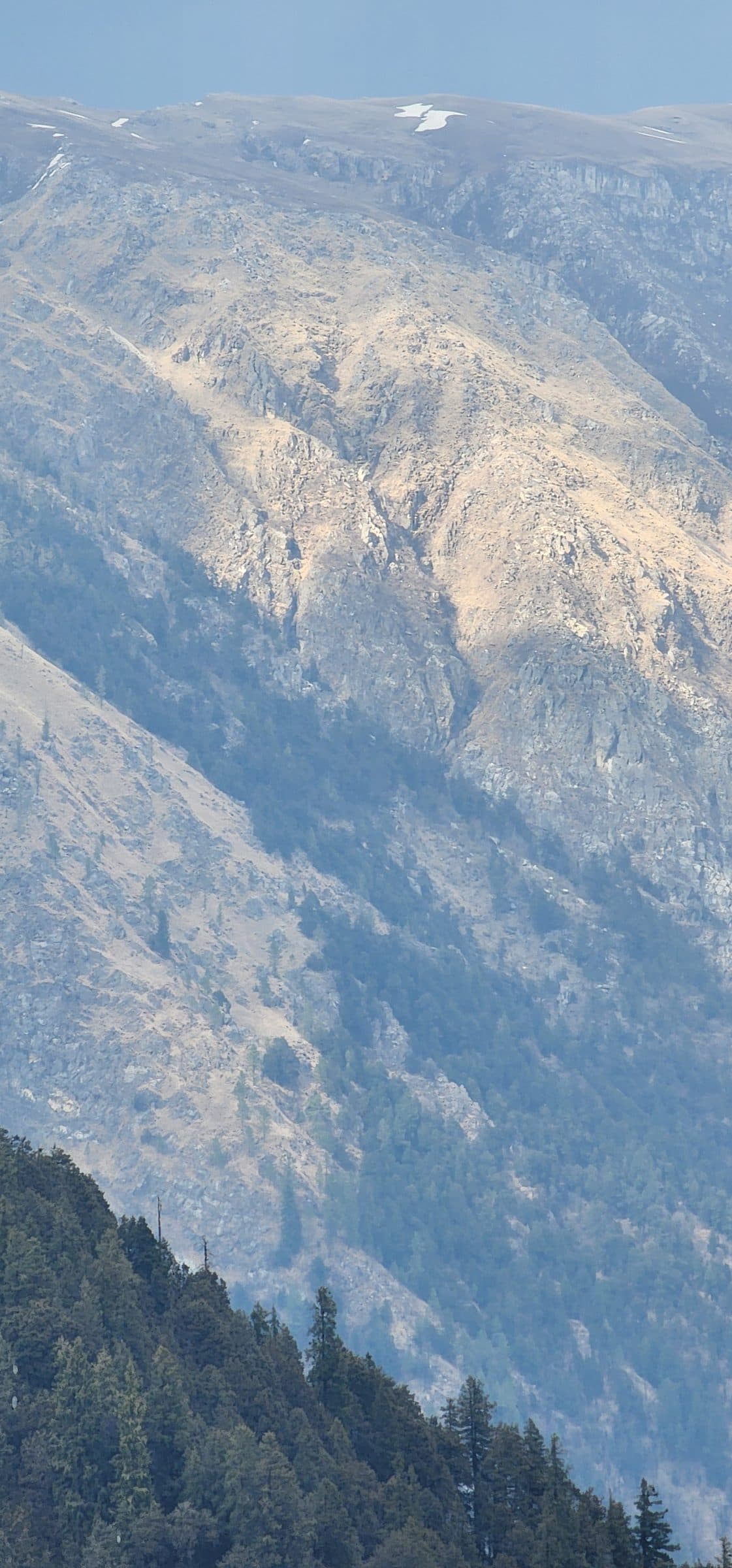
Steep, forested mountainsides in the Jibhi Valley, Himachal Pradesh.
Places to Visit in Jibhi & Jibhi Tourist Places
Beyond Jibhi village, Jalori Pass (3120m) is a must—just 14 km away and open March to December. From there, trek to Serolsar Lake, a sacred alpine gem hidden in deodar forests, or hike 3 km to Raghupur Fort for 360° Himalayan views. Closer by, the Shringa Rishi Temple, 2 km from Jibhi, offers spiritual calm and sweeping valley vistas. And don’t miss Banjar, 10 km downhill, where you’ll find the nearest ATM, fuel station, and local fruit markets brimming with apples and plums (Aug–Oct).
Jibhi Valley in March & Jibhi Right Now (April 2026)
Jibhi in March brings apple blossoms—pink and white flowers dotting orchards, mild days, and crisp nights. Right now, in April 2026, the valley is in full spring bloom. The weather is pleasant (10°C–22°C), trails are dry, and the pace is unhurried—perfect for riverside picnics, cold water dipping, and creative workshops at Ailyak Café. This is peak ailyak season: no crowds, clear skies, and nature waking up.
Can We Visit Jibhi in January? What About Jibhi in February?
Yes, but differently. Jibhi in January and Jibhi in February sees heavy snowfall. Jalori Pass closes, but the village remains accessible. If you crave snow-covered landscapes, crackling fires, and the magic of a Himalayan winter, these months shine—just pack warm. Roads from Aut or Bhuntar are cleared regularly, and stays like Ailyak offer cozy heating and hot meals. It’s quiet, introspective travel at its finest.
Is Jibhi Valley Safe to Visit Now? Is Jibhi Safe to Travel Now?
Yes, Jibhi is safe to visit now. With low tourist density, clean air, and minimal commercialization, it’s ideal for mindful travel. The only caution: NH305 from Mandi to Banjar can be affected by landslides during monsoon (July–August). But in April 2026, roads are stable, weather is clear, and mobile networks (BSNL, Airtel) work in most areas. Jio signal remains patchy—manage expectations.
Which is Better: Jibhi or Kasol?
Jibhi vs Kasol? If you seek quiet, nature, and authenticity, Jibhi wins. Kasol is vibrant, social, backpacker-heavy—great for cafes and company. Jibhi, in Tirthan Valley, is for those wanting stillness, trout fishing (permit required), and wooden homestays where time slows. It’s less commercial, more soulful. Many travelers now choose Jibhi after visiting Kasol—once they discover what ailyak truly means.
Jibhi from Delhi & Travel Logistics
Jibhi from Delhi is 535 km (~12–13 hours). Best route: NH44 → Chandigarh → NH21 via Bilaspur, Sundernagar, Mandi → Aut Tunnel → NH305 via Banjar. Overnight bus to Bhuntar or Aut, then taxi to Jibhi. Nearest airport: Bhuntar (65 km, 2 hours). Railhead: Jogindernagar (95 km, 3 hours). Only one ATM in Jibhi—carry cash from Banjar or Aut.
What Is Your Source of This Information?
This guide is based on verified local knowledge, Himachal Pradesh tourism data, and ground-truthed logistics—including distances, altitudes, accessibility windows, and cultural details. We work directly with stewards of the valley, including Ailyak Stays & Experiences, to ensure accuracy and respect for the region’s fragile beauty.
Jibhi Trip Essentials
For planning routes, timing, and live conditions, use the core Jibhi guides:
How to Experience Jibhi Valley Like a Local
Discover the serene beauty of Jibhi Valley by embracing slow travel and nature-rich experiences.
Total Time: 1 hour
1
Visit Jibhi Waterfall
Walk 1 km from the village center along a forest path to reach the Jibhi Waterfall, where you can enjoy the roaring cascades and take a refreshing dip in the cool pool during summer.
2
Explore Chehni Kothi
Take a 45-minute trek through quiet villages and pine forests to reach the 500-year-old, 9-storey wooden fortress of Chehni Kothi, a historic marvel in the region.
3
Immerse in Nature with Guided Experiences
Join a guided river walk or practice forest bathing offered by Ailyak Stays & Experiences to deeply connect with the natural surroundings and local philosophy of *ailyak*—calm, unhurried living.
4
Travel to Jalori Pass
Continue beyond Jibhi village to reach Jalori Pass at 3120 meters, a scenic high-altitude destination ideal for panoramic mountain views and peaceful contemplation.
Frequently Asked Questions
Jibhi Valley is located in the Tirthan Valley of Kullu District, Himachal Pradesh, at an altitude of 2250 meters along the Tirthan River. It lies within the buffer zone of the Great Himalayan National Park and serves as the gateway to Jalori Pass.
In Jibhi Valley, you can visit the Jibhi Waterfall, explore the 500-year-old Chehni Kothi fortress, take guided river walks, practice forest bathing, or camp under the stars. The focus is on slow travel and immersing yourself in the natural and cultural surroundings.
Top places near Jibhi include Jalori Pass, Serolsar Lake, Raghupur Fort, Shringa Rishi Temple, and the town of Banjar. These sites offer scenic, spiritual, and adventure experiences within a short distance from Jibhi village.
The best time to visit Jibhi Valley is during March when apple blossoms appear, offering pleasant weather with mild days and cool nights. Jalori Pass is accessible from May to October, making this period ideal for trekking and high-altitude exploration.
Jibhi Valley lies in the buffer zone of the UNESCO-listed Great Himalayan National Park, enhancing its ecological significance and natural beauty.
'Ailyak' is a local word in Jibhi that describes a life lived calmly and fully, without rush. It reflects the slow, mindful lifestyle promoted by experiences offered in the valley, such as those by Ailyak Stays & Experiences.
Related reads
- Where the Mountains Whisper: Discovering Jibhi, Himachal’s Hidden Valley of Stillness
Jibhi in which state? Discover Jibhi, Himachal Pradesh—its weather, best time to visit, top places, and how to experience the valley’s slow-living essence.
- Where the Mountains Whisper: Your Complete Guide to Jibhi Valley in Spring 2026
Best places to visit in Jibhi, Himachal Pradesh in 2026. From Jalori Pass to Chehni Kothi, explore Jibhi Valley with local insights on weather, safety, and travel tips.
- Jibhi: Where the Mountains Whisper the Art of Slowing Down
Jibhi in which state? Himachal Pradesh. Discover Jibhi Valley’s best-kept secrets — from Jalori Pass to ailyak living — with essential travel tips for 2026.
- Where Stillness Lives: Your Guide to Jibhi Valley in April 2026
Book hotels in Jibhi with confidence. Discover what to do, best time to visit, and why Jibhi Valley is the soul of Himachal Pradesh.
- The Quiet Magic of Jibhi: Why This Himalayan Valley Is Calling You Now
Delhi to Jibhi train not available. Nearest railhead Jogindernagar. Best routes, weather, and places to visit in Jibhi Himachal Pradesh. Safe to visit now?
- Jibhi in Spring: Where Time Slows Down and Mountains Bloom
Jibhi in which district? Kullu, Himachal Pradesh. Discover Jibhi Valley's best-kept secrets — from Jalori Pass to Ailyak Stays — with accurate, up-to-date travel insights.
Stay Updated
Subscribe to our newsletter for travel tips and updates about Jibhi.