Shoja Village: Where the Himalayas Whisper Secrets
28 Nov 2025•3 min read
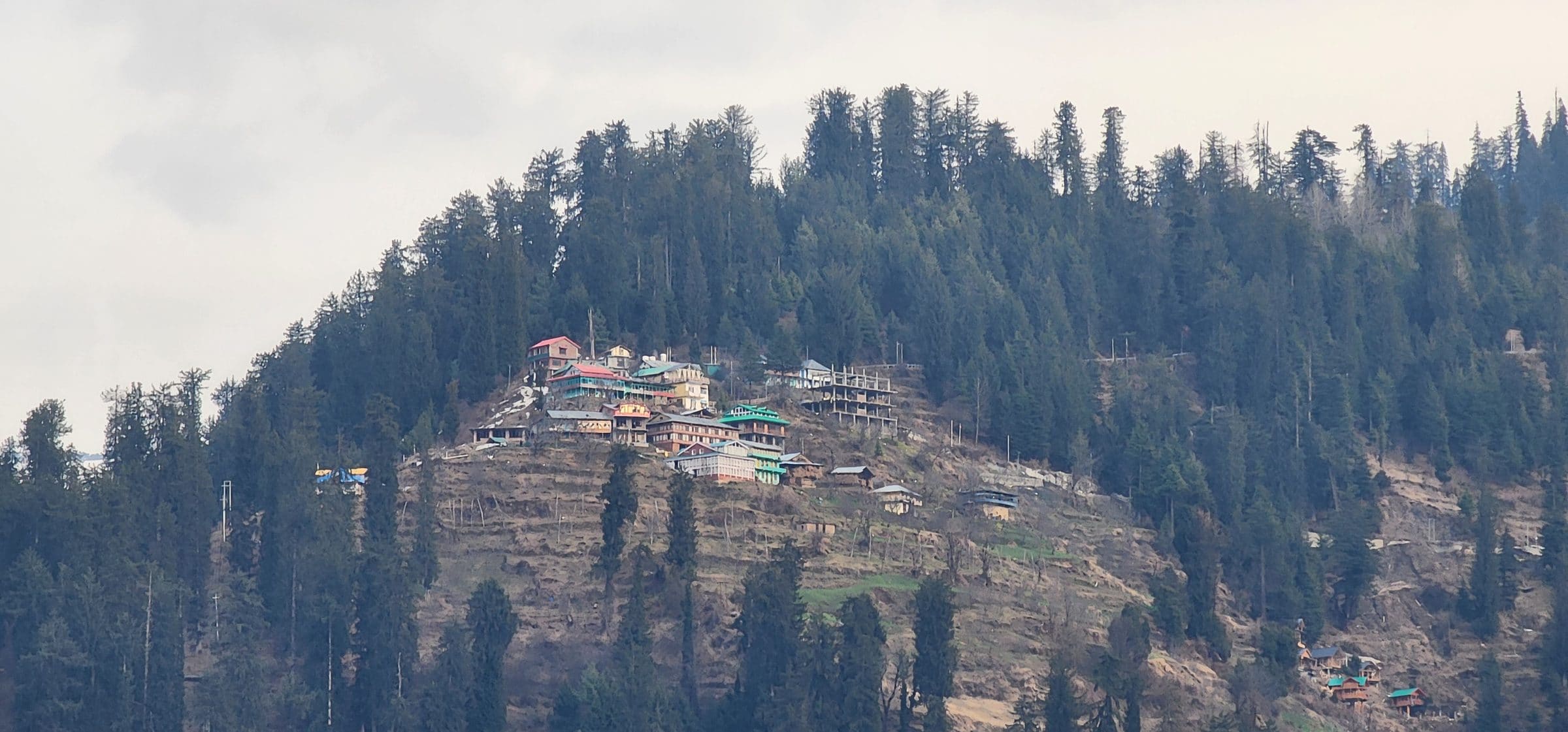
Shoja Village: Where the Himalayas Whisper Secrets
Share this guide
Shoja Village hidden Gems: A Pocket of Himalayan Stillness You Can’t Miss in April 2026
Tucked into the folds of the Great Himalayan National Park buffer zone, Shoja village sits at 2,700m, where the air is thin and the silence is thick. Just 10 km from Jibhi along the winding NH305, it’s often overlooked for Jalori Pass—but April 2026 is the perfect time to uncover its real treasures. The snow has melted, the apple blossoms are dusting the hills in pink, and the slow Himalayan rhythm known locally as Ailyak stills every moment. If you're searching for cafes in Shoja, a Shoja trip package, or simply a Jibhi Shoja escape off the tourist radar, read on.
Why Shoja is Jibhi’s Quiet Counterpart
While Jibhi hums with trout fishing and wooden homestays, Shoja whispers. It’s higher in altitude, cooler in April, and far quieter than its neighbors. Mobile signals are spotty (BSNL works best), electricity can flicker during evening monsoon showers, and cash is king—there’s no ATM here. But that’s part of its charm. This is where you come to slow down, breathe, and let the mountains set the pace.
Shoja serves as the gateway to Jalori Pass (3,120m), but it’s also a destination in itself. Unlike bustling Jibhi, it’s a place where time moves to the rhythm of sunrise over the Tirthan Valley and sunset over the Pir Panjal range.
Shoja Village Hidden Gems: Four Treasures to Discover
1. Shoja Waterfall: The Secret Cascade Just 2 km from the Village
Hidden behind a curtain of deodar and pine, Shoja Waterfall tumbles down moss-slick rocks into a crystal pool perfect for a post-trek dip. It’s a 15-minute walk from the main road through a forested trail that feels like a private pilgrimage. In April 2026, the water is cold but clear, fed by melting snow from Jalori Pass. Bring a towel, a picnic, and your camera—this is one of the most photogenic spots in the valley.
💡 Tip: Visit early morning to avoid crowds and capture the valley in soft light.
2. Ailyak Stays in Shoja: The Art of Doing Nothing
Ailyak isn’t just a word—it’s a way of life. In Shoja, this concept isn’t an idea; it’s an experience. Sit on a wooden balcony overlooking the valley, sip warm apricot tea at a local dhaba, or simply watch the sun paint the Pir Panjal peaks pink. There’s no itinerary here, no rush. It’s the antidote to over-planned trips. You’ll find it in the slow pace of a homestay breakfast, the quiet chatter of villagers returning from the fields, and the unhurried rhythm of life that feels centuries old.
3. The Forgotten Trail to Shoja Forest Rest House
A 20-minute jungle trek from Shoja village leads to a 1950s-era forest rest house, now preserved as a heritage site. The trail winds through towering cedar and oak, past hidden springs and terraced apple orchards. The rest house itself is a relic of British architectural influence—a place where forest officers once retreated. Today, it’s a peaceful spot to read, sketch, or nap under the shade of ancient trees.
4. Sunset at Shoja Ridge: 360° Views Without the Crowd
Walk 30 minutes uphill from the village to a ridge where the Tirthan Valley unfolds like a living painting. To the north, the Dhauladhar range glows in the afternoon light. To the south, the Pir Panjal catches the last rays of the sun. This is one of the best hidden gems of Shoja village—a spot most travelers miss because they’re rushing to Jalori Pass at dawn.
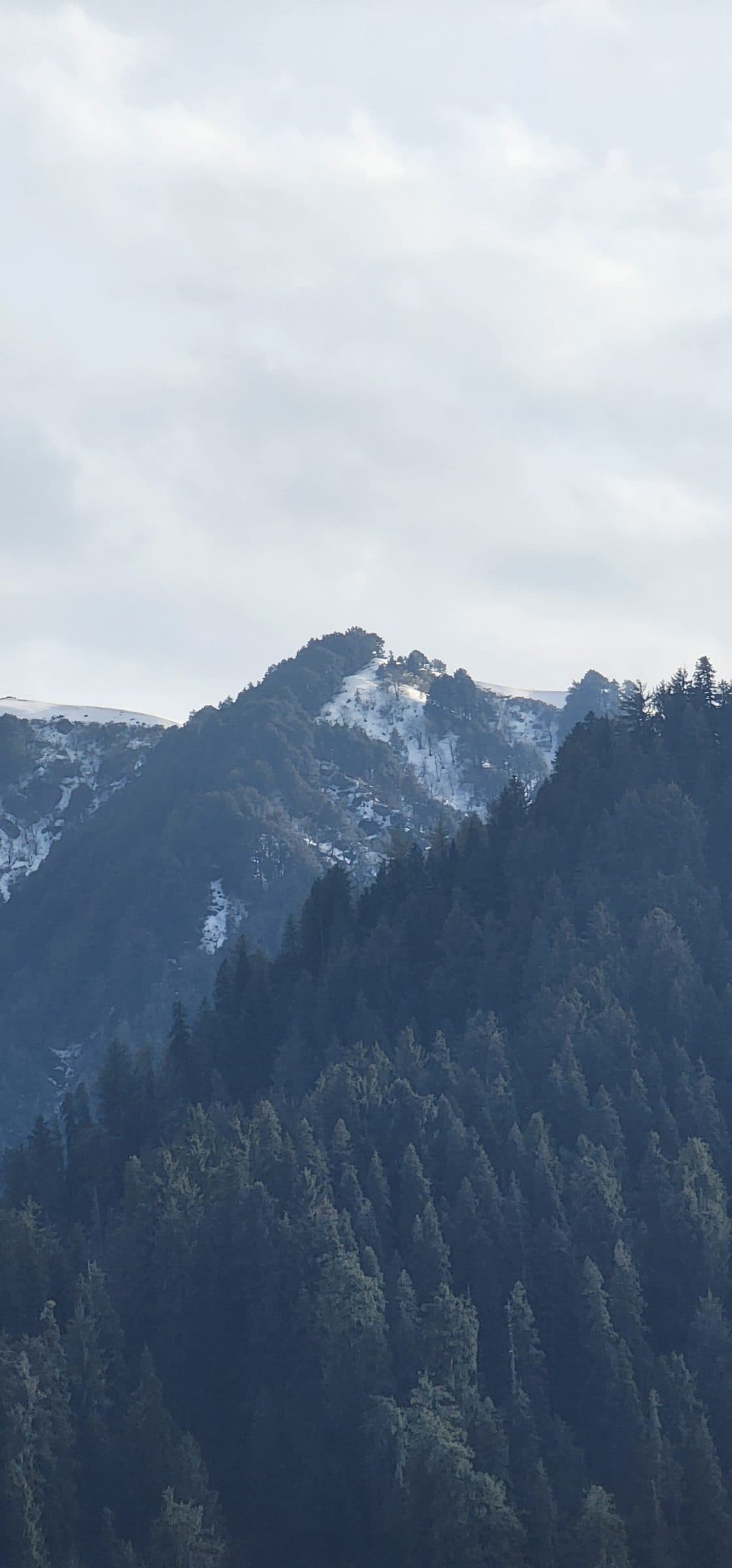
View of dense green pine forests covering the mountains from Shoja
🌲 Explore heritage: Offbeat Trekking Trails in Jibhi Tirthan Valley
Practical Shoja Travel Tips for April 2026
Getting There
- From Delhi: Drive 535 km via Chandigarh → Bilaspur → Mandi → Aut Tunnel → NH305 → Banjar → Shoja (7–8 hours from Chandigarh).
- From Manali: 145 km, 4–5 hours via Kullu → Aut Tunnel → Banjar → Shoja.
- From Bhuntar Airport: 65 km, 2 hours via NH305.
🚗 Pro Tip: Avoid NH305 after heavy rain—landslides are common in monsoon. April is safe, but check local road updates before you leave.
Where to Stay
Shoja has only a handful of guesthouses, all family-run and built in traditional Kullu wood-and-stone style. Book ahead—options are limited.
- Snow View Guest House: Best for sunrise views over the valley.
- Apple Blossom Homestay: Famous for homemade apricot jam and apple pies.
- Pinewood Retreat: Quiet, with a garden full of blooming rhododendrons in April.
- Ailyak Cafe & Stays: Shoja: For unmatched peace deep in the forest near the river.
What to Pack
- Layers: Mornings are crisp (8–12°C), afternoons warm (18–22°C).
- Waterproof jacket: April can bring sudden showers.
- Power bank: Electricity cuts are common.
- Cash: No ATMs in Shoja—withdraw in Banjar or Aut.
Shoja in April: Why This Month Stands Out
April is a sweet spot in the Himachal calendar. The apple trees are in blossom, painting the hills in soft pinks and whites. The roads are clear, the passes are open, and the crowds haven’t arrived. It’s the ideal time to experience Shoja’s hidden gems without the summer rush.
Compare that to October—still stunning, but cooler and busier. Or July—lush and green, but prone to landslides and leeches. April is when Shoja in April feels like a secret shared only with those who seek stillness.
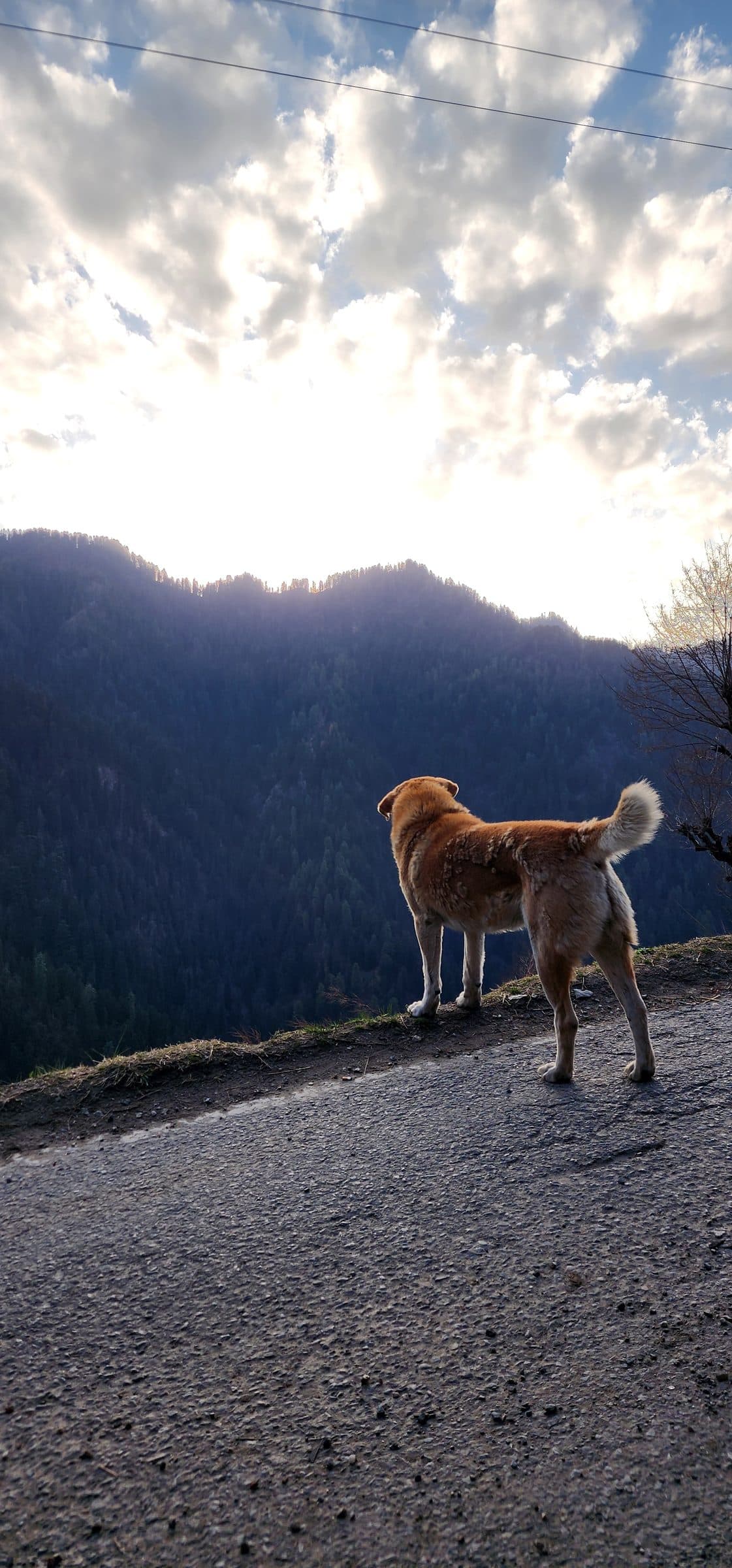
A golden dog stands on a road with mountains and clouds, Shoja
A golden dog stands on a road with mountains and clouds, Shoja
Ready to Uncover Shoja’s Magic?
Whether you're designing a Shoja trip package, hunting for best cafes in Shoja, or simply craving a Jibhi Shoja escape, this village offers a side of the Himalayas most travelers never see.
Start your journey with a scenic drive from Manali or Delhi, then let the mountains unfold at their own pace. Leave the itinerary behind. Bring curiosity, a camera, and an open heart.
🌿 Discover more: Escape the Crowds: Your All-Inclusive Delhi to Jibhi Tour Package for a Himalayan Retreat
🍽️ Taste the stillness: A Plate of the Mountains: Discovering the Soul of Himachali Food in Jibhi Valley
Jibhi Trip Essentials
For planning routes, timing, and live conditions, use the core Jibhi guides:
How to Experience Shoja Village Hidden Gems
Discover the serene beauty and offbeat attractions of Shoja Village in the Himalayas during April 2026.
Total Time: 1 hour
1
Travel to Shoja Village
Reach Shoja Village via NH305, located 10 km from Jibhi. Ensure you carry sufficient cash as there are no ATMs, and mobile connectivity is limited—BSNL network works best.
2
Visit Shoja Waterfall
Walk 2 km from the main road through a forested trail of deodar and pine to discover the hidden Shoja Waterfall. Arrive in April 2026 for clear, flowing water and a refreshing dip in the crystal pool.
3
Embrace the Local Rhythm
Immerse yourself in the slow Himalayan lifestyle known as *Ailyak*. Wake up to sunrise over Tirthan Valley and unwind with sunset views across the Pir Panjal range, letting nature set your daily pace.
4
Explore as a Base for Jalori Pass
Use Shoja as a starting point for excursions to Jalori Pass (3,120m), or simply enjoy its quiet charm, cafes, and homestays while avoiding more tourist-heavy destinations.
Frequently Asked Questions
Shoja is a mountain village in the Kullu District of Himachal Pradesh, situated at 2700 meters and approximately 16 km from Jibhi along NH305, en route to Jalori Pass.
The best time to see snow in Shoja is between January and February, when the heaviest snowfall occurs. Snow typically starts in late December and clears by spring.
No, it is not snowing in Shoja in April 2026. The snow season has largely ended by then, with clear skies and budding apple orchards marking the onset of spring.
Hidden gems in Shoja include sunrise views at Jalori Gate, stargazing under clear night skies, and cultural experiences like sharing tea with locals who share stories of mountain life and folklore.
Life in Shoja follows the philosophy of *ailyak*—an unhurried pace—deeply tied to seasonal rhythms and Kullu’s heritage, with traditions like local storytelling and warm Himachali hospitality in family-run guesthouses.
Related reads
- Jibhi and Shoja: Twin Mountain Villages Guide
Complete guide to Jibhi and Shoja villages in Himachal Pradesh. Discover activities, best places to stay, seasonal tips, and how to reach these serene mountain destinations.
- Shoja Village: The Quiet Gateway to Jalori Pass and Hidden Himalayan Serenity
Explore Shoja village, a serene Himalayan hamlet just 16 km from Jibhi, where pine forests, river trails, and wooden cottages create a slow-paced escape. Walk to hidden riverside cafes, spot high-altitude birds, and soak in the snow-fed beauty of the Tirthan Valley—all in one immersive day. ---
- Shoja Uncovered: Where the Himalayas Whisper and Time Slows to a Hush
Discover Shoja: serene Himalayan village near Jibhi. Find travel tips, snow season dates, cultural experiences, and peaceful stays for 2026.
- Shoja Uncovered: Where Mountain Stillness Meets Warmth in a Cup
Discover the best cafes in Shoja, snow updates, and unique cultural experiences. Plan your Jibhi Shoja trip with soulful stays and slow travel in 2026.
- Where the Mountains Whisper: A Quiet Journey Through Shoja and the Soul of Jibhi Valley
Cafe in Shoja? Discover the quiet charm of Shoja village, April travel tips, and where to find warmth between Jibhi and Jalori Pass.
- Shoja: Where the Hills Whisper Slowly and the Snow Lingers Just a Little Longer
Shoja guide: best time to visit, cafes, snow season & Jibhi trip tips. Discover Shoja in April, Jalori Pass access, and serene mountain living.
Stay Updated
Subscribe to our newsletter for travel tips and updates about Jibhi.