Escape the Snow, Find the Stillness: Your Shoja Trip Package for June 2026
11 Jun 2026•4 min read
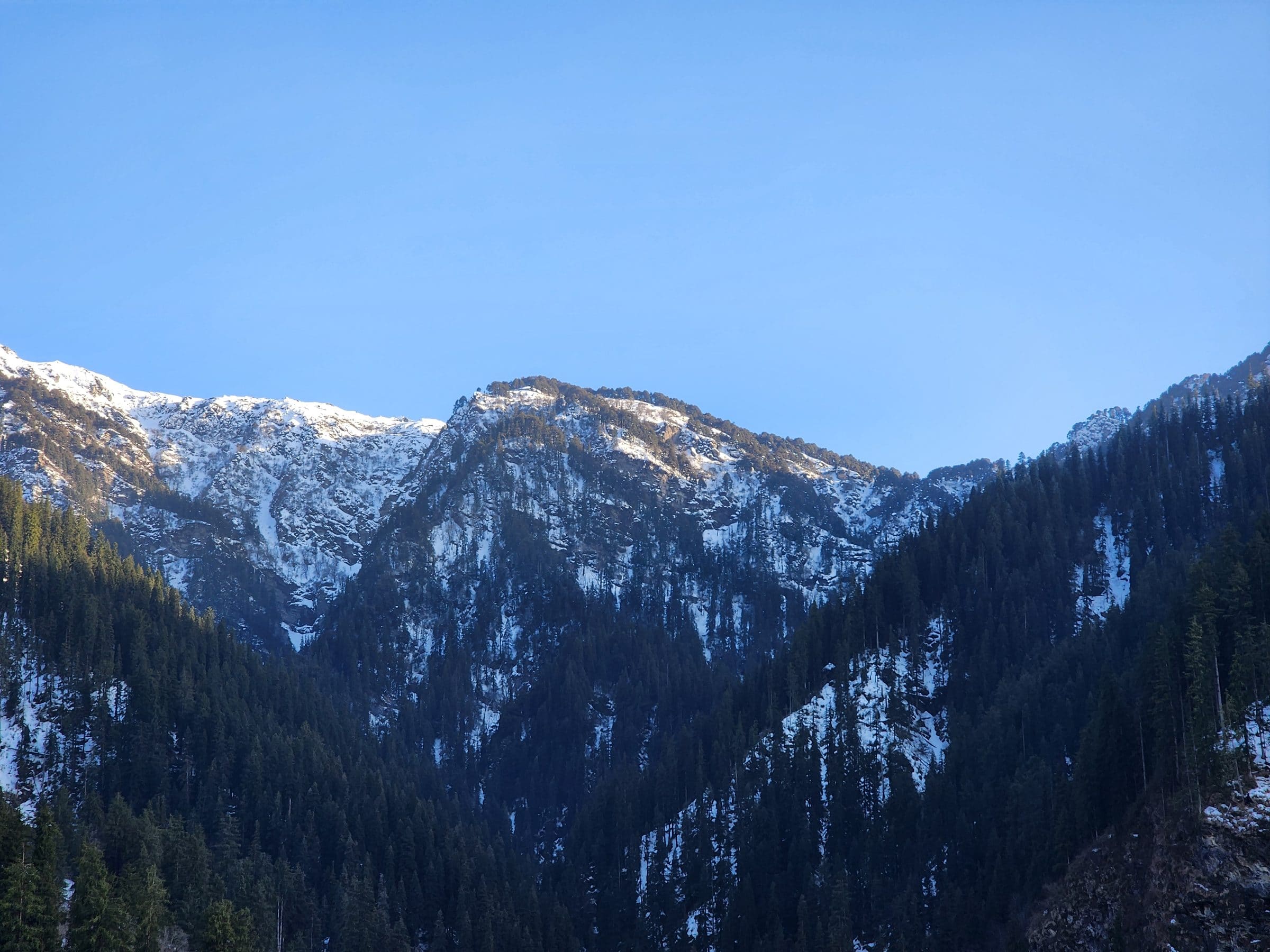
Shoja trip package guide for 2026—discover when it snows, best cafes in shoja, and unique cultural experiences. Plan your jibhi shoja trip with Ailyak.
Share this guide
Where is Shoja? The Hidden Himalayan Village Above Jibhi
Nestled at 2,700 meters in the Tirthan Valley of Kullu District, Himachal Pradesh, Shoja is a serene mountain village just 16 km from Jibhi—about a 45-minute drive along the winding NH305. Perched at the base of Jalori Pass, Shoja serves as the last motorable stop before the ascent into higher Himalayan wilderness. Higher in altitude than Jibhi, it offers crisper air, clearer skies, and uninterrupted views of snow-draped peaks, especially in winter.
While Jibhi and Shoja share the same soul—rooted in apple orchards, wooden heritage homes, and the unhurried rhythm of Ailyak—Shoja feels like its quieter cousin. There are no crowds, no noise, only the rustle of deodar forests and the distant rush of the Tirthan River. It’s the perfect base for travelers seeking stillness, snowfall, or a deeper connection with the mountains.
Jibhi Shoja Trip: What Makes This Valley Special
A jibhi shoja trip isn’t just about scenic drives or photo ops—it’s about slowing down. The local concept of Ailyak, a word with no English equivalent, defines life here: a deliberate, calm pace that invites presence. Whether you're tracing forest trails, sipping chai by a river, or watching clouds drift over pine-clad ridges, Jibhi and Shoja offer a rare kind of mountain magic—one that lingers long after you leave.
This region sits in the buffer zone of the Great Himalayan National Park (UNESCO World Heritage Site), making it a haven for trekkers, birdwatchers, and nature lovers. From trout fishing in the Tirthan River to exploring 700-year-old wooden towers like Chehni Kothi, every experience here blends culture, nature, and quiet adventure.
Shoja in July: Monsoon Magic or Missed Opportunity?
Yes, Shoja in July is green, misty, and alive—but it’s also peak monsoon. While the forests are lush and waterfalls thunder, NH305 is prone to landslides, and road cuts can delay travel. That said, if you don’t mind the rain and seek solitude, July offers off-season serenity. Just pack warm layers, waterproof gear, and plan for possible delays.
For most travelers, the best time to visit Jibhi and Shoja is October–November, when the skies are clear, foliage turns golden, and the air is crisp. March–April brings apple blossoms and mild weather—perfect for walks and photography. Winter (December–February) brings heavy snowfall; while Jalori Pass closes, Shoja remains accessible for snow lovers.
Things to Do in Shoja: Beyond the Pass
A jibhi shoja trip package should include more than just scenic stops. Here’s what makes it unforgettable:
- Trek to Serolsar Lake: A 5 km forest trail from Jalori Pass leads to this sacred alpine lake at 3,100m. Home to the Budhi Nagin deity, it’s surrounded by deodar and oak forests—rich in birdlife like the Himalayan Monal.
- Visit Chehni Kothi: A 45-minute trek from Chainsi Marg takes you to this 9-storey medieval tower, a marvel of traditional Kullu architecture.
- Experience Ailyak Café in Shoja: Perched at 2,700m, this soulful space serves nourishing meals and warm conversations. It’s more than a café—it’s a “third space” where stillness is served with every cup of chai.
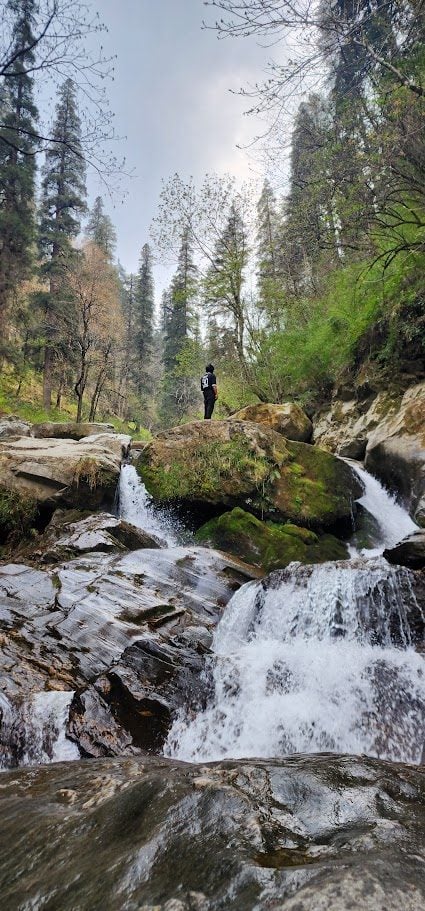
- Find hidden waterfalls: Moss-covered cascades, fed by monsoon streams and snowmelt, dot the hillsides near Shoja—ask locals for the quiet trails.
Shoja Trip Package: Plan Your Stay the Ailyak Way
Looking for a shoja trip package or jibhi shoja package that balances comfort and authenticity? Consider Ailyak Stays & Experiences, with homestays in Jibhi, Shoja, and Seri. Each stay honors the Ailyak philosophy—offering cozy rooms, forest bathing, riverside picnics, and creative workshops with local artists.
From guided river walks to camping under starlit skies, Ailyak curates unique shoja cultural experiences that go beyond sightseeing. And with the Ailyak Café in Shoja, you’ll find a warm hearth, slow food, and slow conversations—exactly what mountain life should feel like.
Whether you book a shoja tour package or plan independently, remember: this isn’t a destination to rush through. It’s a place to breathe, pause, and belong.
Jibhi Trip Essentials
For planning routes, timing, and live conditions, use the core Jibhi guides:
Gallery
How to Plan the Perfect Shoja Trip Package for June 2026
A step-by-step guide to booking and enjoying a serene mountain getaway in Shoja during summer.
Total Time: 1 hour
1
Determine the Best Time to Visit
Plan your trip for June to enjoy pleasant weather and lush landscapes; avoid winter months (December to February) if you want to skip snow and road closures.
2
Decide Your Travel Route
Choose your route: drive 535 km from Delhi via Chandigarh and Mandi, or take a shorter 145 km trip from Manali; alternatively, fly to Bhuntar Airport and travel 95 km by road.
3
Travel to Jibhi First
Reach Jibhi village, then take a scenic 30-minute drive along NH305 through winding mountain roads to arrive in Shoja, located 16 km uphill.
4
Book Your Shoja Trip Package Early
Reserve your stay in advance through a trusted provider, as most accommodations are family-run guesthouses with limited availability, especially in peak seasons.
5
Explore Shoja’s Hidden Treasures
Visit Serolsar Lake, trek to Chehni Kothi, and embrace the local concept of *Ailyak*—the art of doing nothing—to fully experience the valley’s stillness and charm.
Frequently Asked Questions
Shoja is a small, pine-scented village perched at 2,700 meters in the Tirthan Valley, Kullu District, just 16 km from Jibhi village, and serves as the gateway to Jalori Pass.
Shoja experiences heavy snowfall from December through February, transforming the village and pass into a winter wonderland.
Shoja is located 16 km from Jibhi village, accessible via a scenic 30-minute drive along NH305.
From Delhi, the journey to Shoja is approximately 535 km via Chandigarh, Bilaspur, Mandi, Aut Tunnel, Banjar, Jibhi, and then Shoja.
Yes, Shoja is just 145 km from Manali, taking about 4–5 hours by road, making it an easy extension to a Himachal Pradesh itinerary.
To book the best Shoja trip package, plan in advance as most guesthouses are family-run and tend to fill up quickly, especially during peak seasons.
Nearby attractions include the sacred Serolsar Lake, the historic 9-storey Chehni Kothi, and experiencing 'Ailyak'—the local art of doing nothing and embracing stillness.
Related reads
- Shoja Uncovered: Where Mountain Stillness Meets Warmth in a Cup
Discover the best cafes in Shoja, snow updates, and unique cultural experiences. Plan your Jibhi Shoja trip with soulful stays and slow travel in 2026.
- Shoja Uncovered: Where the Himalayas Whisper and Time Slows to a Hush
Discover Shoja: serene Himalayan village near Jibhi. Find travel tips, snow season dates, cultural experiences, and peaceful stays for 2026.
- Shoja Uncovered: Where the Mountains Whisper and Time Slows to a Hush
Discover the best cafes in Shoja, Jibhi & Shoja trip tips, snow updates, and cultural experiences. Your 2026 guide to slow mountain living in Himachal.
- Where the Mountains Whisper: Your Guide to Jibhi Valley in April 2026
Best places to visit in Jibhi, Himachal Pradesh — from Jalori Pass to Chehni Kothi. Complete guide for 2026 with weather, safety, travel tips, and where to stay.
- The Quiet Magic of Shoja: A Mountain Pause Above the Clouds
Find the best Cafés in Shoja, experience ailyak living, and plan your Jibhi-Shoja trip with seasonal tips, snow updates, and cultural stays.
- Where the Mountains Whisper: Your Complete Guide to Jibhi Valley in Spring 2026
Best places to visit in Jibhi, Himachal Pradesh in 2026. From Jalori Pass to Chehni Kothi, explore Jibhi Valley with local insights on weather, safety, and travel tips.
Stay Updated
Subscribe to our newsletter for travel tips and updates about Jibhi.