Where the Mountains Whisper: Discovering Jibhi, Himachal’s Hidden Valley of Stillness
9 May 2025•4 min read
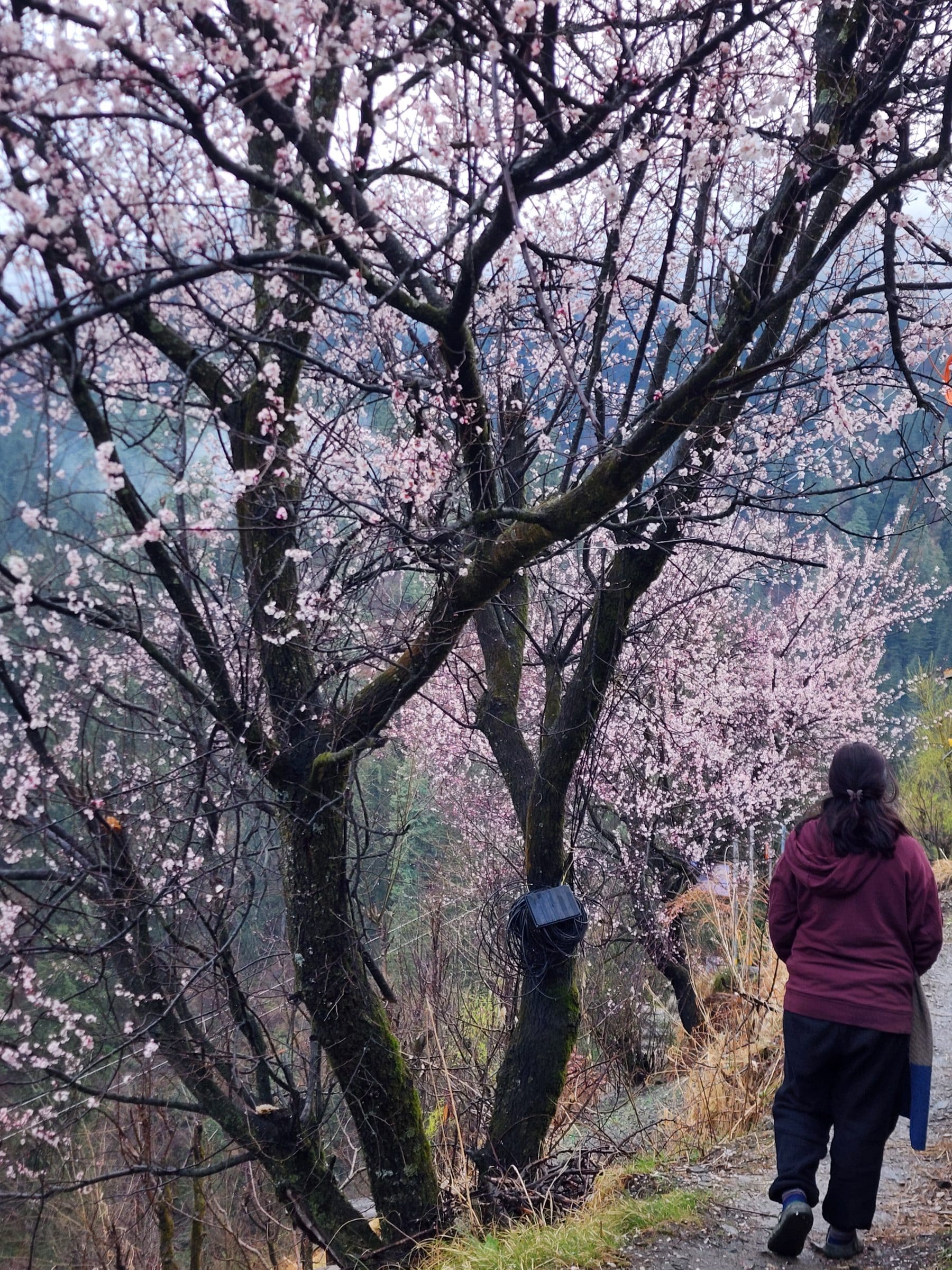
Discover where Jibhi is in Himachal Pradesh, what to do, when to visit, and why it’s the perfect escape. Real-time updates, verified facts, and soulful travel insights.
Share this guide
Where is Jibhi – And Why It Feels Like a Secret the Himalayas Have Kept
Jibhi, Himachal Pradesh — a name that rolls softly off the tongue, much like the gentle flow of the Tirthan River that winds through its emerald valley. Nestled in the Kullu District at an altitude of 2250m, Jibhi lies deep within the Tirthan Valley, far from the roar of cities and closer to the quiet pulse of the mountains. If you’ve searched “where is Jibhi” or wondered what makes jibhi himachal pradesh so special, you’re not just looking for a dot on the map — you’re seeking a feeling. And that feeling has a name here: ailyak — the art of doing everything calmly, and without rushing.
What to Do in Jibhi: A Rhythm of Nature, Not Rush
Jibhi isn’t about ticking off attractions. It’s about slowing down. That said, when you ask what to do in Jibhi, the answer unfolds gently: walk to Jibhi Waterfall, just 1 km from the village center — a 15-minute stroll through pine-scented paths ending in the mist of cascading water. Visit the ancient Shringa Rishi Temple, perched with quiet dignity overlooking the valley. Trek to Chehni Kothi, a 9-storey medieval tower rising like a sentinel from the forest, reached after a 45-minute uphill walk through Chehni village. Or drive to Jalori Pass (14 km away), stand at 3120m, and let the silence of the Himalayas fill your lungs.
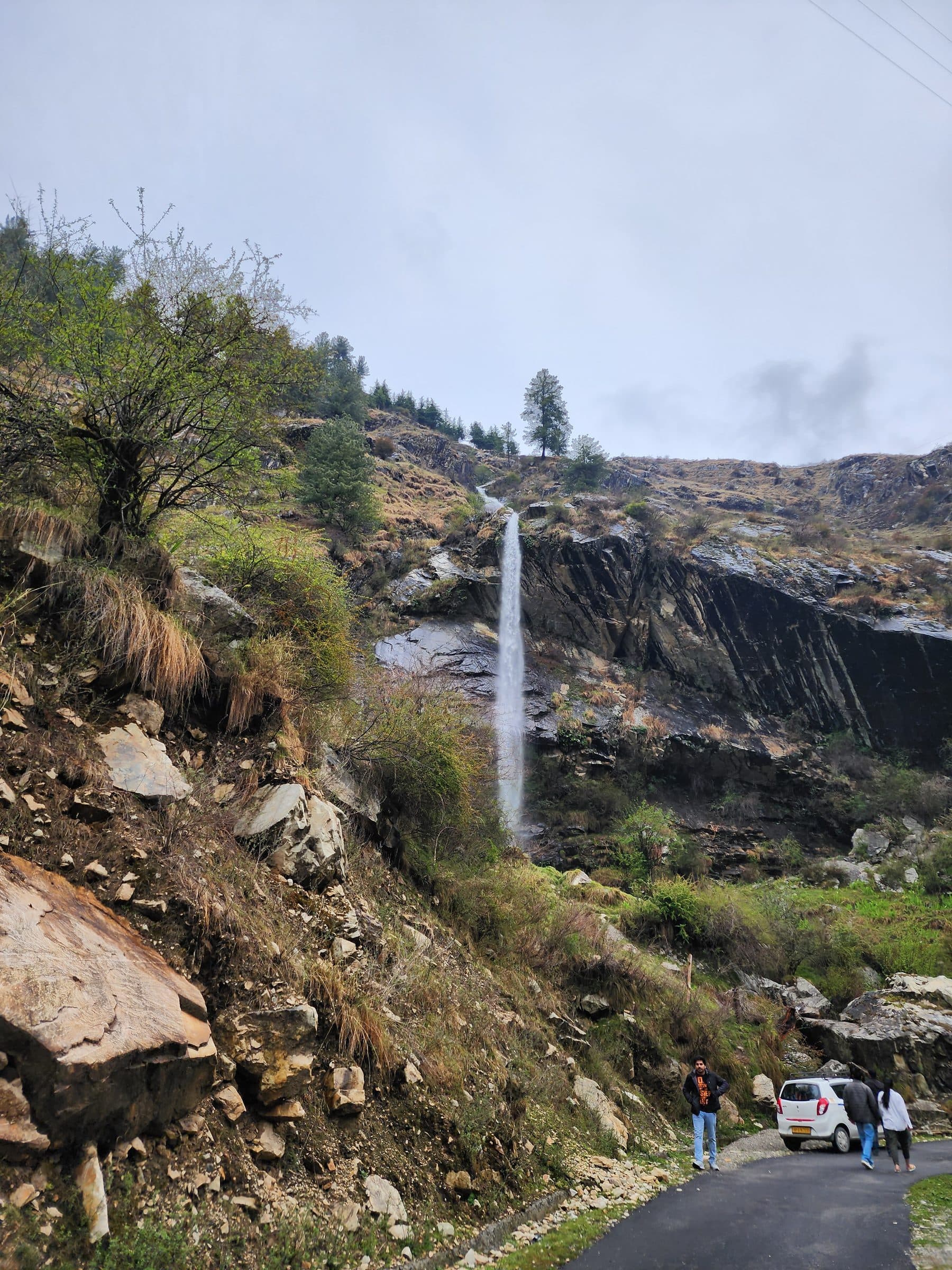
A rocky, vegetated hillside with a waterfall and a path in the Jibhi Valley.
For the soulful traveler, what to do in Jibhi Himachal Pradesh means mornings with tea on wooden porches, afternoons reading under deodar trees, and evenings wrapped in wool as bonfires crackle. It’s the rhythm of life at Ailyak Stays & Experiences — where forest bathing, riverside picnics, and cold water dipping are not activities, but invitations to presence.
Is Jibhi Safe to Visit Now? Yes — And Here’s What’s Happening Right Now
As of 12 April 2026, Jibhi is open, quiet, and waking up with the spring. April brings mild weather, apple orchards in bloom, and clear mountain views — a perfect time to visit. The roads are stable post-winter, and NH305 is in good condition. While jibhi right now sees fewer crowds, it’s far from empty — travelers seeking authenticity are arriving, drawn by the promise of stillness.
Mobile networks are limited — BSNL and Jio work reliably; Airtel can be patchy. Electricity cuts happen, especially in monsoon, but most stays have inverters. Jibhi has one ATM — carry cash from Banjar (10 km away), where you’ll also find fuel, pharmacies, and a hospital.
Jibhi in March, February, January: Can You Visit in Winter?
Can we visit Jibhi in January? Yes — but with nuance. While the village remains accessible, Jalori Pass closes due to snow from December to Maech. January and February bring heavy snowfall, transforming Jibhi into a hushed, snow-draped retreat — ideal for those seeking solitude. Temperatures hover around freezing, but homestays are warm, and the experience of snow-laden pines and silent mornings is unmatched.
Jibhi in March marks the turn — snow retreats, streams swell, and apple blossoms begin to blush. It’s one of the best times to visit, blending winter’s last whispers with spring’s first breath.
Jibhi vs. Kasol: Which is Better for You?
Which is better — Jibhi or Kasol? Depends on what you seek. Kasol (100 km from Jibhi, 3–4 hours by road) buzzes with cafes, hostels, and backpacker energy. Jibhi? It’s the antidote. No crowds, no noise — just the Tirthan Valley in its untouched grace. It’s where you go not to be seen, but to feel. For trout fishing, heritage walks, and UNESCO-recognized wilderness near the Great Himalayan National Park, Jibhi wins for serenity.
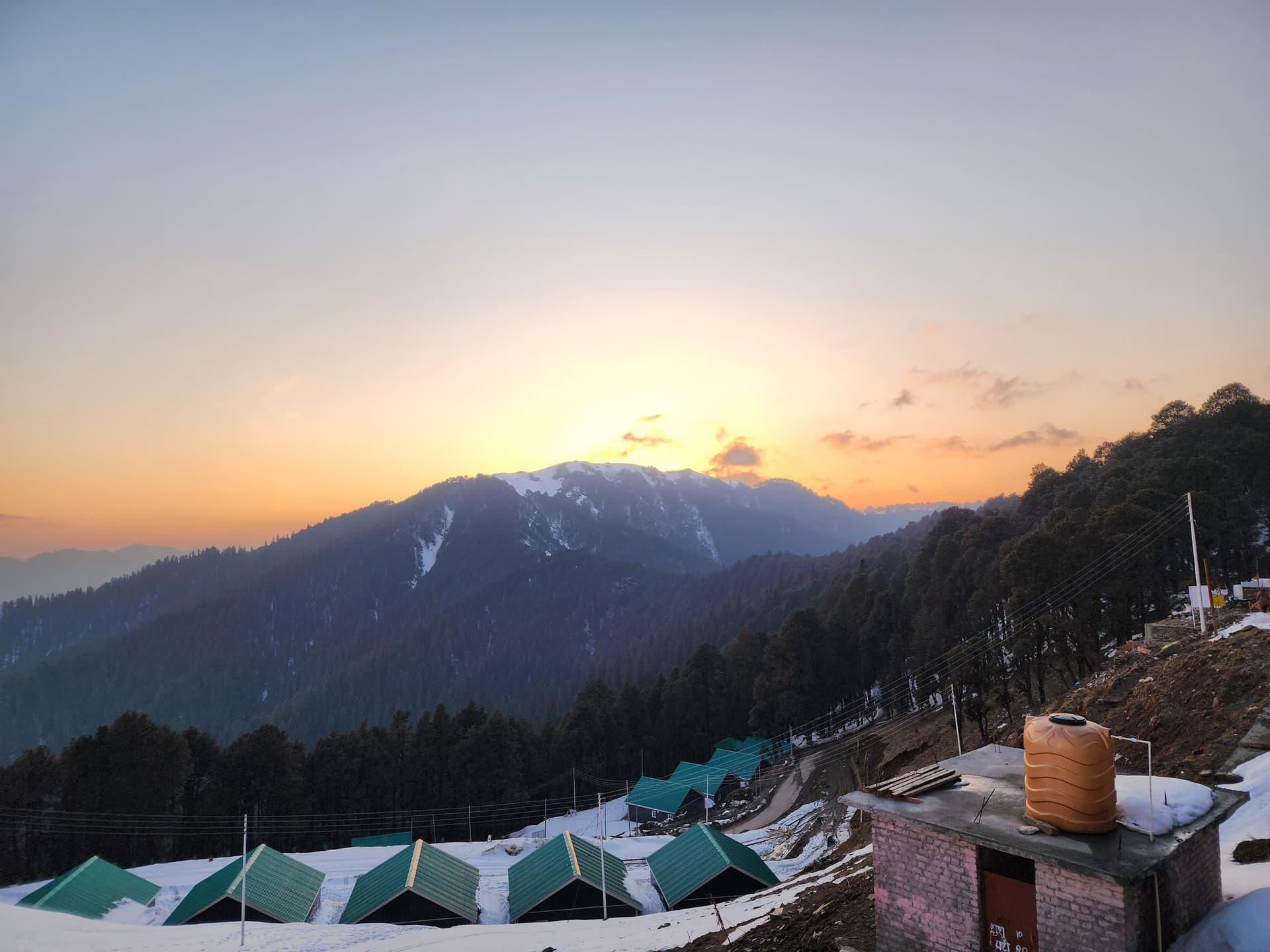
Green-roofed cabins overlooking lush green mountains and forest in Jibhi
How to Reach Jibhi: From Delhi, Manali, and Bhuntar
Jibhi from Delhi is 535 km — a 12–13 hour drive via NH44, Chandigarh, and NH21. Most travelers take an overnight bus to Bhuntar or Aut, then a taxi to Jibhi. From Manali, it’s 145 km (4–5 hours). The nearest airport is Bhuntar (Kullu-Manali Airport), 65 km away — a 2-hour drive via NH305 through Banjar.
What Is Your Source of This Information?
This guide is based on verified, ground-truth data — distances, altitudes, access routes, and local facts — all manually confirmed from official sources and destination operators in Jibhi Valley. We update seasonally, with current conditions as of April 2026.
If you’ve searched places to visit in jibhi, jibhi tourist places, or simply “jibhi”, know this: the valley doesn’t shout. It whispers. And in that whisper, you’ll find what most travelers never knew they needed.
Jibhi Trip Essentials
For planning routes, timing, and live conditions, use the core Jibhi guides:
How to Experience Jibhi Valley
Discover the serene beauty of Jibhi by embracing slow travel and nature immersion.
Total Time: 1 hour
1
Locate Jibhi
Jibhi is situated in the Kullu District of Himachal Pradesh, nestled in the Tirthan Valley at an altitude of 2250 meters. It is best reached via Bhuntar (Kullu Airport) or by road from Delhi or Chandigarh.
2
Visit Jibhi Waterfall
Take a 15-minute walk from the village center through pine-scented trails to reach the cascading Jibhi Waterfall, a serene natural spot perfect for quiet reflection.
3
Explore Chehni Kothi
Embark on a 45-minute uphill trek from Chehni village to visit the ancient 9-storey Chehni Kothi tower, a historic sentinel surrounded by dense forest.
4
Visit Shringa Rishi Temple
Pay a visit to the ancient Shringa Rishi Temple, located with peaceful grandeur overlooking the Tirthan Valley.
5
Drive to Jalori Pass
Travel 14 km to Jalori Pass, standing at 3120 meters, to experience breathtaking Himalayan vistas and profound mountain silence.
6
Embrace the Local Rhythm
Spend mornings with tea on wooden porches, read under deodar trees in the afternoon, and enjoy evenings by bonfires to truly live the 'ailyak' way — calmly and mindfully.
Frequently Asked Questions
Jibhi is located in the Kullu District of Himachal Pradesh, nestled deep within the Tirthan Valley at an altitude of 2250 meters.
In Jibhi, you can visit the Jibhi Waterfall, explore the ancient Shringa Rishi Temple, trek to the medieval Chehni Kothi tower, or drive to Jalori Pass for panoramic mountain views. It's also a place to embrace slow living, with riverside picnics, forest walks, and quiet moments in nature.
Yes, as of 12 April 2026, Jibhi is open and safe to visit, with mild spring weather, blooming apple orchards, and stable roads. It’s an ideal time to experience the valley with fewer crowds.
Mobile networks are limited—BSNL and Airtel work reliably, while Jio can be patchy. Electricity cuts may occur, especially during monsoon, but most accommodations have inverters.
Jibhi offers a feeling of stillness and connection with nature, embodying the local concept of 'ailyak'—doing things calmly and without rush. It's a hidden valley that prioritizes peace over tourism, perfect for soulful travelers seeking authenticity.
Chehni Kothi is reached after a 45-minute uphill walk through Chehni village, starting from Jibhi. The path winds through forests and leads to a striking 9-storey medieval tower.
Related reads
- Jibhi Reimagined: A Slow Journey Through the Heart of Tirthan Valley
Jibhi Tirthan Valley tour package guide: best time, places to visit, safety, and how to plan your trip. Discover Jibhi Himachal Pradesh with verified local insights.
- Where the Mountains Whisper: Why Jibhi Valley Is Himachal’s Best-Kept Secret
Jibhi Valley guide: places to visit, weather, best time to go, and travel tips. Discover Tirthan Valley’s soulful heart—where slow living meets the Himalayas.
- Where the Mountains Whisper: Finding Stillness in Jibhi Valley This April
Best cafe in Jibhi? Discover Ailyak Café — a soulful space in Jibhi Valley. Explore places to visit, weather, and safe travel tips for April 2026.
- Where the Mountains Whisper: Your Guide to Jibhi Valley in April 2026
Best places to visit in Jibhi, Himachal Pradesh — from Jalori Pass to Chehni Kothi. Complete guide for 2026 with weather, safety, travel tips, and where to stay.
- Where the Mountains Whisper: Your Complete Guide to Jibhi Valley in Spring 2026
Best places to visit in Jibhi, Himachal Pradesh in 2026. From Jalori Pass to Chehni Kothi, explore Jibhi Valley with local insights on weather, safety, and travel tips.
- Where the Mountains Whisper: Why Jibhi Valley Is Himachal’s Best-Kept Secret
Jibhi tourism guide: best places to visit, weather, safety, and how to reach Jibhi Valley in Himachal Pradesh. Plan your soulful mountain escape.
Stay Updated
Subscribe to our newsletter for travel tips and updates about Jibhi.