Places To Visit In Jibhi
12 Apr 2026•8 min read
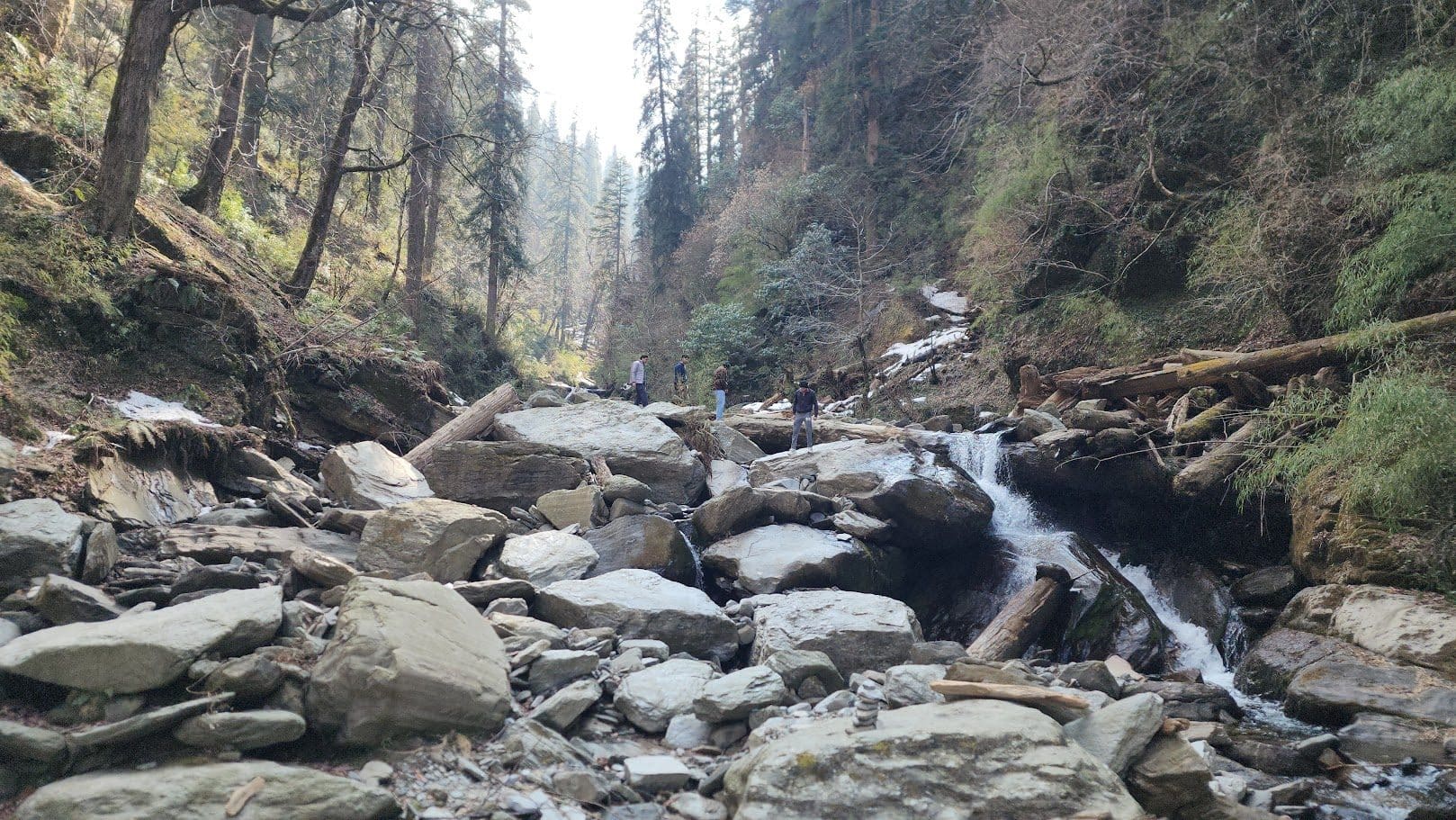
Discover the best places to visit in Jibhi — from waterfalls to heritage treks. Updated April 2026 guide to Jibhi Valley, safety, weather, and how to experience ailyak.
Share this guide
Jibhi is a quiet mountain village in the Tirthan Valley, Kullu District, Himachal Pradesh. Perched at 2250m along the Tirthan River, this offbeat Himalayan hamlet is where time slows to a local pace called “Ailyak”—the art of unhurried mountain living. With apple orchards, trout-rich rivers, and wooden heritage homes, Jibhi offers a slower, more authentic side of Himachal Pradesh. Below are the 10 best places to visit in Jibhi and the surrounding region, handpicked for nature, culture, and serenity.
What to Do in Jibhi: A Valley of Hidden Treasures
Jibhi isn’t just a stop on the way to Manali or Kasol—it’s a destination with its own rhythm and rewards. Whether you’re drawn by trout fishing, alpine meadows, or centuries-old wooden towers, there’s plenty of places to visit In Jibhi.
1. Jalori Pass: Where the Sky Meets the Mountains
At 3120m, Jalori Pass is the highest motorable pass in the Kullu region and a gateway to alpine magic. Open from March to December, this windswept plateau offers panoramic views of the Dhauladhar and Kinnaur ranges. It’s also the starting point for two of the best treks in the area: the sacred Serolsar Lake and the ancient Raghupur Fort ruins. Small dhabas at the top serve steaming cups of chai against a backdrop of snow-dusted peaks—perfect for a mid-hike pause.
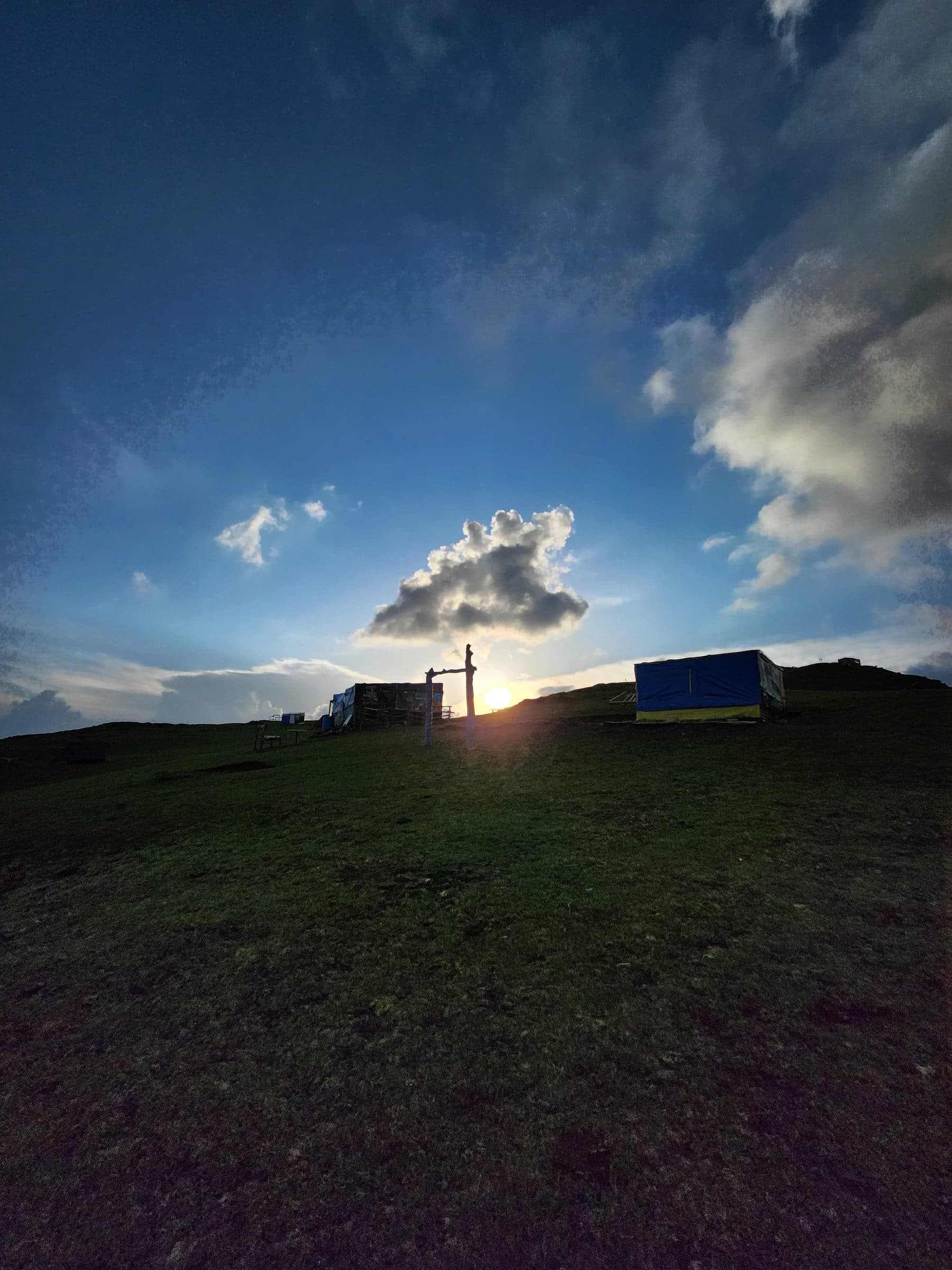
Expansive green hillside under a dramatic cloudy sky in Jibhi Valley
Tip: Visit in October for golden light and crisp air, or in March–April when apple blossoms dust the lower slopes.
2. Serolsar Lake: A Sacred Walk in the Forest
Just 5 kms from Jalori Pass, Serolsar Lake sits at 3100m, surrounded by deodar and oak forests. This high-altitude lake is sacred to the Budhi-Nagin deity, and its still waters reflect the sky like a mirror. Birdwatchers will spot the dazzling Himalayan Monal and Koklass Pheasant along the trail. The 2–2.5 hour forest trek from Jalori Pass is easy to moderate, making it ideal for families and casual hikers.
Note: No vehicles are allowed beyond Jalori Pass—this is a pure walking experience.
3. Raghupur Fort: 360° Views from the Past
For a taste of history and adventure, hike 3 kms from Jalori Pass to the ruins of Raghupur Fort at 3300m. This Guler kingdom fortress offers sweeping views of the Kullu and Shimla hills on clear days. The ridge trail winds through alpine meadows, making it a scenic day trip from Jibhi.
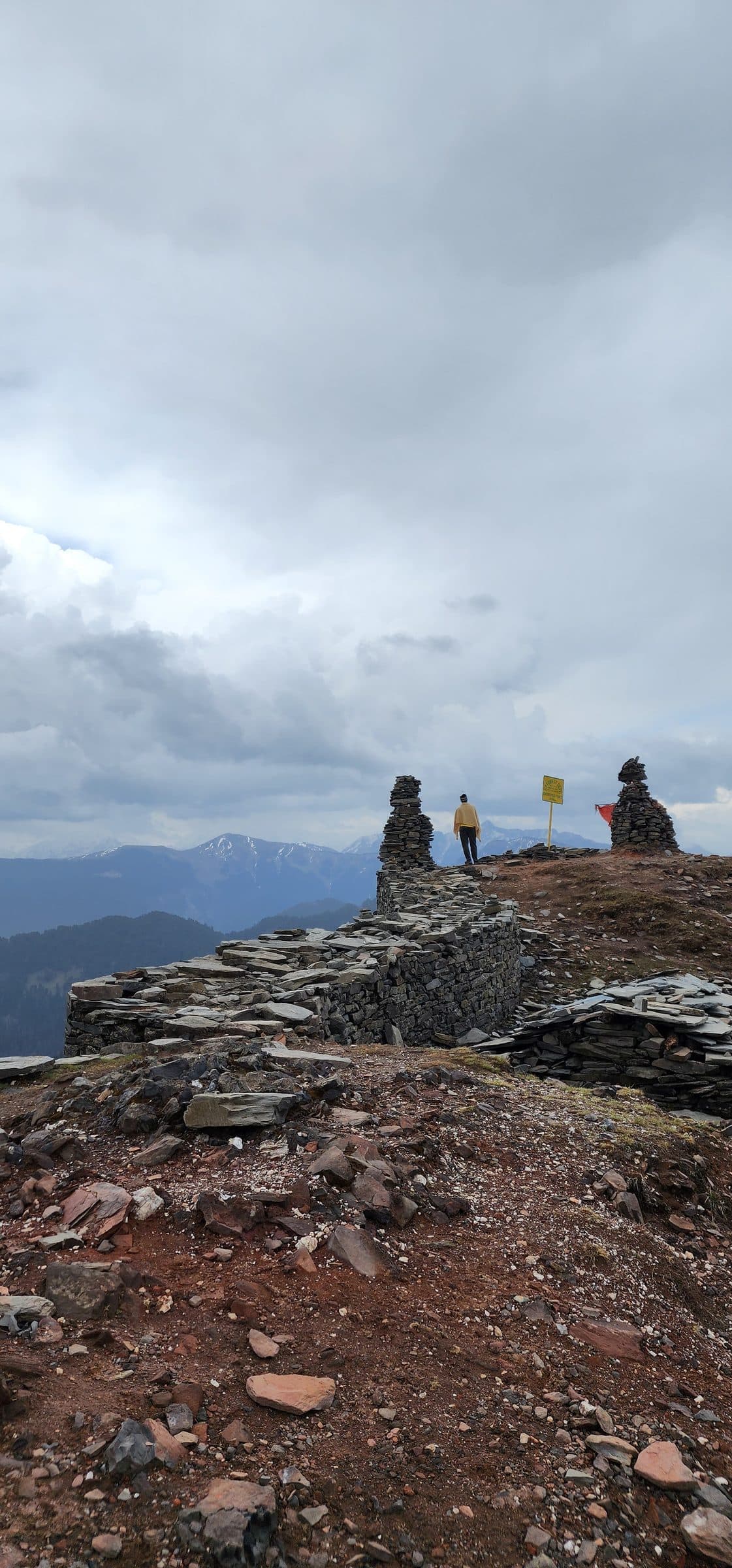
Person standing among large rocks overlooking a misty mountain valley
Combine it with Serolsar Lake for a full-day trek from Jalori Pass.
4. Jibhi Waterfall: A 15-Minute Escape
You don’t need to trek far to find beauty. The Jibhi Waterfall is just a 15-minute walk from the village center, tumbling over mossy rocks into a clear pool. It’s a year-round spot, though it’s most powerful during the monsoon (July–September). Locals and visitors often picnic here, and in summer, brave swimmers take a dip in the cool waters.
5. Shringa Rishi Temple: A Pilgrimage in Wood
Dedicated to the sage Shringa Rishi, this ancient temple is a spiritual anchor in Jibhi. Built in traditional Kullu pagoda style with intricate wooden carvings, it hosts local festivals and Dussehra celebrations. The temple offers serene views of the Tirthan Valley and is a peaceful place to reflect after a day of exploring.
6. Chehni Kothi: A 700-Year-Old Stone Tower
One of the tallest traditional wood-and-stone towers in Himachal Pradesh, Chehni Kothi stands as a testament to Kullu’s medieval past. Built between 500–700 years ago, this nine-storey fortress was designed to withstand earthquakes using interlocking wooden beams. It’s a short 45-minute uphill trek from the roadhead near Chainsi Marg, combining heritage with light adventure.
Best visited in spring, when wildflowers bloom along the trail and the valley glows with apple blossoms.
7. Tirthan Valley: The River’s Whisper
Jibhi sits in the heart of Tirthan Valley, where the Tirthan River winds through forests and orchards. Known for its brown and rainbow trout, the river is a mecca for anglers—just don’t forget to get a permit from the Fisheries Department at Larji or Banjar. The valley is also the buffer zone for the Great Himalayan National Park, a UNESCO World Heritage Site, offering untouched trails and biodiversity.
Try staying in a traditional wooden homestay—many are family-run and follow Kullu-style architecture.
8. Explore Banjar: The Nearest Town with Essentials
Just 10 km from Jibhi, Banjar is your go-to for ATMs, fuel, and supplies. It’s a quiet sub-divisional town with a local fruit market (especially in August–October), a government hospital, and a few dhabas. Refill your tank and cash here before heading deeper into the valley—Jibhi has no ATM or petrol pump.
9. Apple Orchards in Season (August–October)
In late summer and early autumn, the valley transforms into a patchwork of green and red as apple orchards ripen. Many homestays offer farm-to-table experiences, letting you pick fresh fruit or enjoy homemade cider. The scent of apple blossoms in March–April is equally intoxicating, painting the hills in soft pink.
Visit in October for crisp air, clear skies, and golden foliage—it’s the best time to visit Jibhi.
10. Slow Down and Breathe: The Art of Ailyak
No list of places to visit in Jibhi is complete without mentioning Ailyak—the local way of life. There are no crowds, no traffic lights, and no rush. Whether you’re reading a book by a woodstove in a homestay or watching the sunset over the Tirthan River, Jibhi teaches you to move at the mountains’ pace.
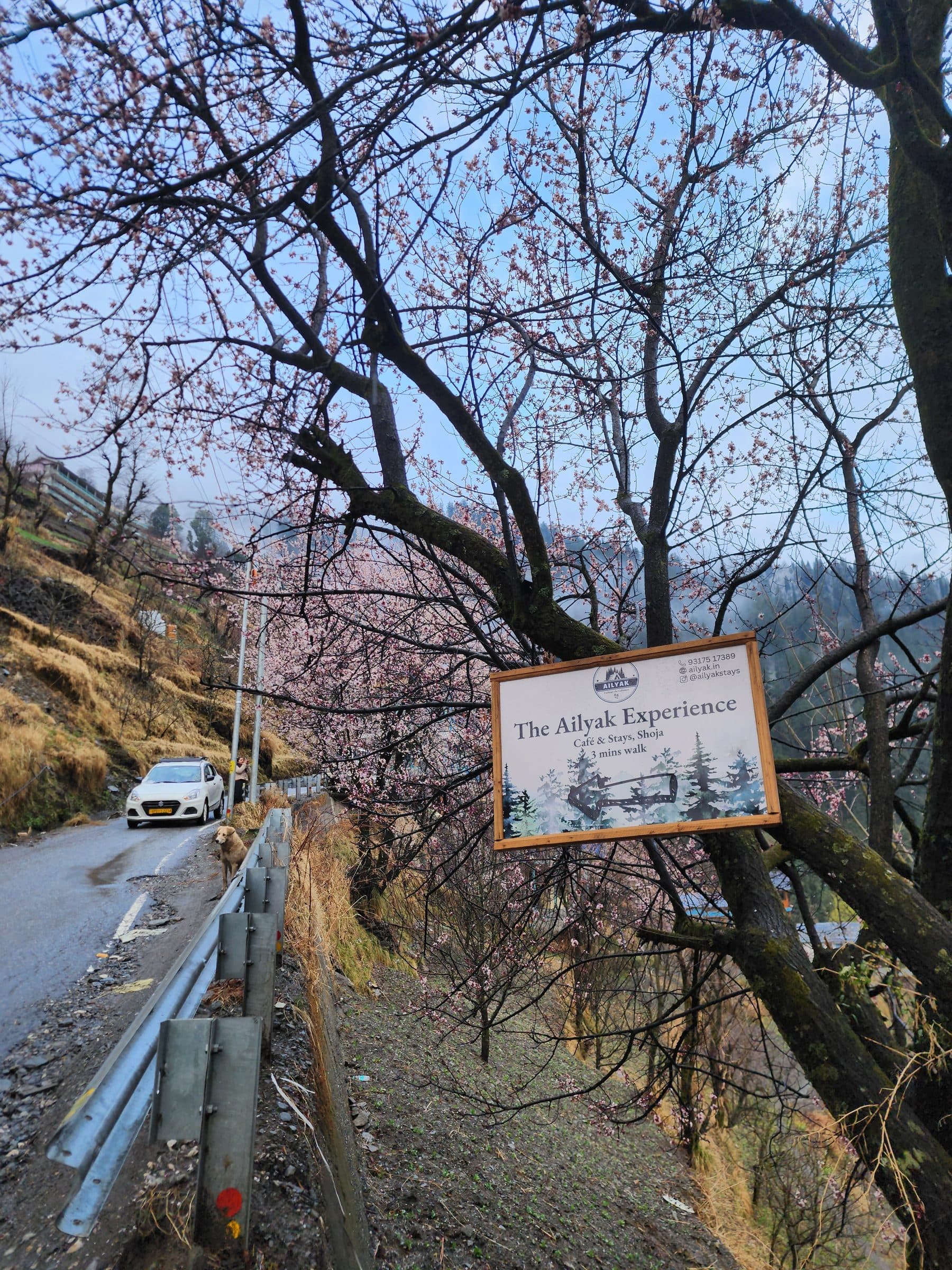
View of a road bordered by trees and a guardrail in the Jibhi Valley.
View of a road bordered by trees and a guardrail in the Jibhi Valley.
Answers to Your Top Jibhi Questions
Where is Jibhi in Himachal Pradesh?
Jibhi is in the Tirthan Valley, Kullu District, Himachal Pradesh, at 2250m altitude. It sits along the Tirthan River and is the gateway to Jalori Pass and the Great Himalayan National Park buffer zone.
Need directions? The quiet road to Jibhi is a journey worth taking.
Places To Visit in Jibhi, Himachal Pradesh?
From trekking and trout fishing to heritage walks and waterfall picnics, Jibhi offers a mix of adventure and tranquility. Top activities include visiting Jalori Pass, trekking to Serolsar Lake, exploring Chehni Kothi, and savoring fresh apples in season.
Is Jibhi safe to visit now?
Yes—Jibhi is generally safe for travelers year-round. The village has a strong community vibe, and locals are welcoming. However, monsoon (July–August) can bring landslides on NH305, and winter (December–February) brings snow and road closures to Jalori Pass. Always check road conditions before traveling.
Can we visit Jibhi in May?
Yes, Jibhi village is accessible year-round. Homestays are cozy with wood heaters, and the valley is pristine under snow. Just carry warm clothes and expect limited mobile connectivity.
Wondering what it’s really like? When it snows in Jibhi: your complete guide.
What is your source of this information?
All Places To Visit In Jibhi in this guide are verified from official sources, local authorities, and on-ground observations, including:
- Government of Himachal Pradesh tourism and forest department
- Kullu District records
- Local homestay owners and guides
- Published travel advisories and weather reports
Jibhi isn’t just another hill station—it’s a place where the mountains speak in whispers, and the rhythm of life slows down. Whether you’re here for a week or a weekend, these places to visit in Jibhi will leave you with memories woven into the pine-scented air and the sound of the Tirthan River.
Jibhi Trip Essentials
For planning routes, timing, and live conditions, use the core Jibhi guides:
Gallery
How to Explore the Best Places to Visit in Jibhi
A guide to experiencing the top attractions in Jibhi for nature, culture, and tranquility.
Total Time: 1 hour
1
Visit Jalori Pass
Travel to Jalori Pass (3120m) between May and October for panoramic views of Dhauladhar and Kinnaur ranges. Stop at local dhabas for tea and prepare for treks to Serolsar Lake or Raghupur Fort.
2
Trek to Serolsar Lake
Begin the 2–2.5 hour trek from Jalori Pass to Serolsar Lake (3100m). Walk through deodar and oak forests, keep an eye out for Himalayan Monal and Koklass Pheasant, and enjoy the serene, sacred waters surrounded by nature.
Frequently Asked Questions
The best time to visit Jalori Pass is from May to October when it is open; October offers golden light and crisp air, while March–April features blooming apple blossoms on the lower slopes.
Serolsar Lake, located at 3100m and surrounded by deodar and oak forests, offers serene high-altitude views, reflections of the sky, and sightings of birds like the Himalayan Monal and Koklass Pheasant; it is also sacred to the Budhi Nagin deity.
The trek to Serolsar Lake takes approximately 2 to 2.5 hours from Jalori Pass.
In Jibhi, you can enjoy trout fishing, trekking to places like Serolsar Lake and Raghupur Fort, exploring alpine meadows, experiencing local culture in wooden heritage homes, and savoring nature in apple orchards along the Tirthan River.
Jibhi is considered an offbeat destination because it offers a slower, more authentic Himalayan experience with minimal commercialization, focusing on nature, culture, and the local concept of 'Ailyak'—the art of unhurried mountain living.
Jibhi is situated at an elevation of 2250 meters above sea level along the Tirthan River in the Kullu District of Himachal Pradesh.
Jalori Pass, at 3120m, serves as the starting point for two popular treks: one to the sacred Serolsar Lake and another to the ancient ruins of Raghupur Fort, making it a key destination for trekkers in the region.
Related reads
- Where the Mountains Whisper: A True Escape to Jibhi Tirthan Valley
Nestled in Himachal Pradesh, Jibhi Tirthan Valley is a serene mountain sanctuary where time stands still. Discover untouched beauty, whispering deodars, and soul-soothing escapes in this hidden Himalayan gem.
- Jibhi Reimagined: A Slow Journey Through the Heart of Tirthan Valley
Jibhi Tirthan Valley tour package guide: best time, places to visit, safety, and how to plan your trip. Discover Jibhi Himachal Pradesh with verified local insights.
- Where the Mountains Whisper: Your Guide to Jibhi Valley in April 2026
Best places to visit in Jibhi, Himachal Pradesh — from Jalori Pass to Chehni Kothi. Complete guide for 2026 with weather, safety, travel tips, and where to stay.
- Where the Mountains Whisper: Discovering Jibhi Tirthan Valley’s Quiet Magic
Jibhi Tirthan Valley guide: best places to visit, weather, safety, and how to reach. Discover serene treks, homestays, and the true spirit of ailyak in Himachal Pradesh.
- Jibhi, Himachal Pradesh: Where Time Slows Down in the Himalayas
Jibhi Himachal Pradesh travel guide: best time to visit, how to reach, things to do, and stays. Plan your 2026 trip with local insights.
- The Slow Road from Manali to Jibhi: A Journey Through the Heart of Tirthan Valley
Manali to Jibhi distance is 145 km (4–5 hrs). Get route tips, weather advice, and discover slow stays in Tirthan Valley. Plan your 2026 trip.
Stay Updated
Subscribe to our newsletter for travel tips and updates about Jibhi.