Jibhi in September: Weather, Road Conditions and How to Travel It Safely
18 Sept 2026•8 min read
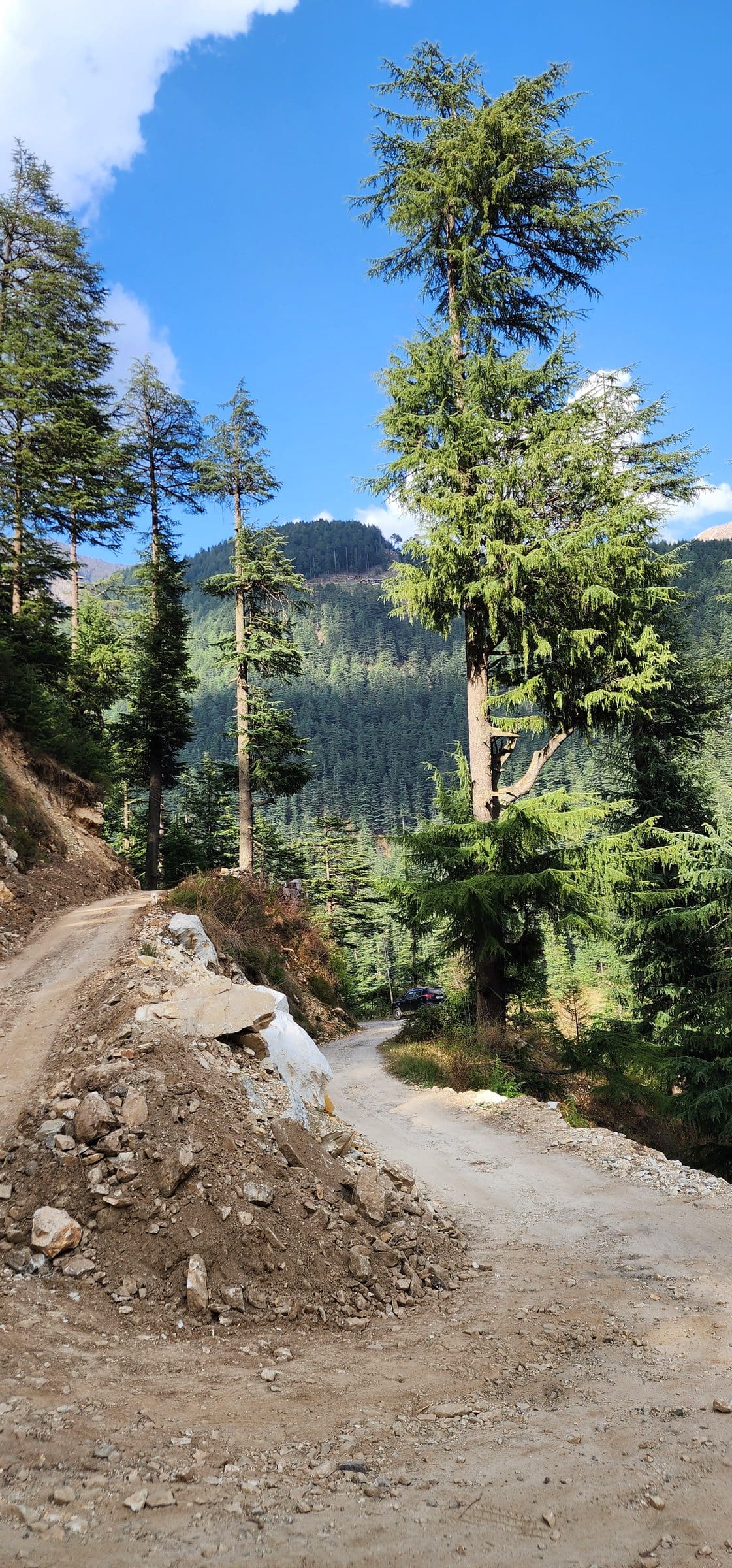
September in Jibhi is green, quiet and cheap, and it is also the month the slopes are holding the most water. Here is what the readings actually say, why the ground is the real risk rather than the rain, and twelve habits that keep the trip easy.
Share this guide
Jibhi in September: what the weather actually does, and how to travel it safely
September is the month Jibhi gets misread.
The crowds have gone, the rates have softened, the valley is as green as it will be all year, and every photograph you have seen looks like the best week of your life. All of that is true. What is also true is that the monsoon has not finished, the slopes are holding a season's worth of water, and the roads are at their least forgiving.
This is not a reason to skip September. It is a reason to travel it deliberately. Here is what the numbers are doing this week, what that means on the ground, and the handful of habits that separate an easy trip from a stuck one.
What the readings said in the first week of September
Instrument readings for the Jibhi valley on the morning of 7 September 2026 put the temperature at 16.0°C at dawn, humidity at 84%, and cloud cover at 2%. Clear, cool, still.
The seven-day outlook from the same reading:
| Date | High | Low | Chance of rain | Expected rain |
|---|---|---|---|---|
| Mon 7 Sep | 26.2°C | 15.8°C | 100% | 9.6 mm, thunderstorm |
| Tue 8 Sep | 26.8°C | 15.7°C | 45% | 4.4 mm |
| Wed 9 Sep | 26.1°C | 15.2°C | 67% | 1.4 mm |
| Thu 10 Sep | 27.1°C | 14.8°C | 57% | 2.4 mm |
| Fri 11 Sep | 26.4°C | 16.0°C | 100% | 4.5 mm |
| Sat 12 Sep | 27.7°C | 16.3°C | 88% | 2.4 mm |
| Sun 13 Sep | 27.1°C | 15.5°C | 86% | 2.4 mm |
Three things fall out of that table.
One: it rained every day that week. Not all day, and not heavily every day, but there was no dry day in it. Plan around water rather than hoping to dodge it.
Two: the days are genuinely pleasant. Highs in the mid to high twenties, nights in the mid teens. September in Jibhi is not cold. You need a layer for the evening, not a jacket for the trip.
Three: mornings are the usable hours. The pattern is clear or near-clear early, cloud building through the middle of the day, and water arriving late afternoon and evening. Whatever you most want to do, do it before lunch.
Update, 18 September: the tail is drying out
A fresh reading on the evening of 18 September 2026 put the valley at 14.9°C, humidity 84%, cloud cover 2%, no rain falling. The seven-day outlook from that reading: highs of 25°C to 28°C, lows of 11°C to 13°C, and a chance of rain of 31% on the 18th and the 24th with under 10% in between. The daily rain pattern of the first week has broken; the ground has not dried with it, so everything below about slopes and water crossings still applies. For today's numbers, read the latest valley update.
The real September risk is not rain. It is the ground.
Nobody gets into trouble in Jibhi because they got wet.
They get into trouble because a slope let go across the road, or a stretch of hillside that was fine yesterday is soft today, or a stream that was ankle-deep in the morning is not by evening. September carries the accumulated water of the whole monsoon. The rain you see is small; the rain the mountain is already holding is the part that matters.
What that looks like in practice:
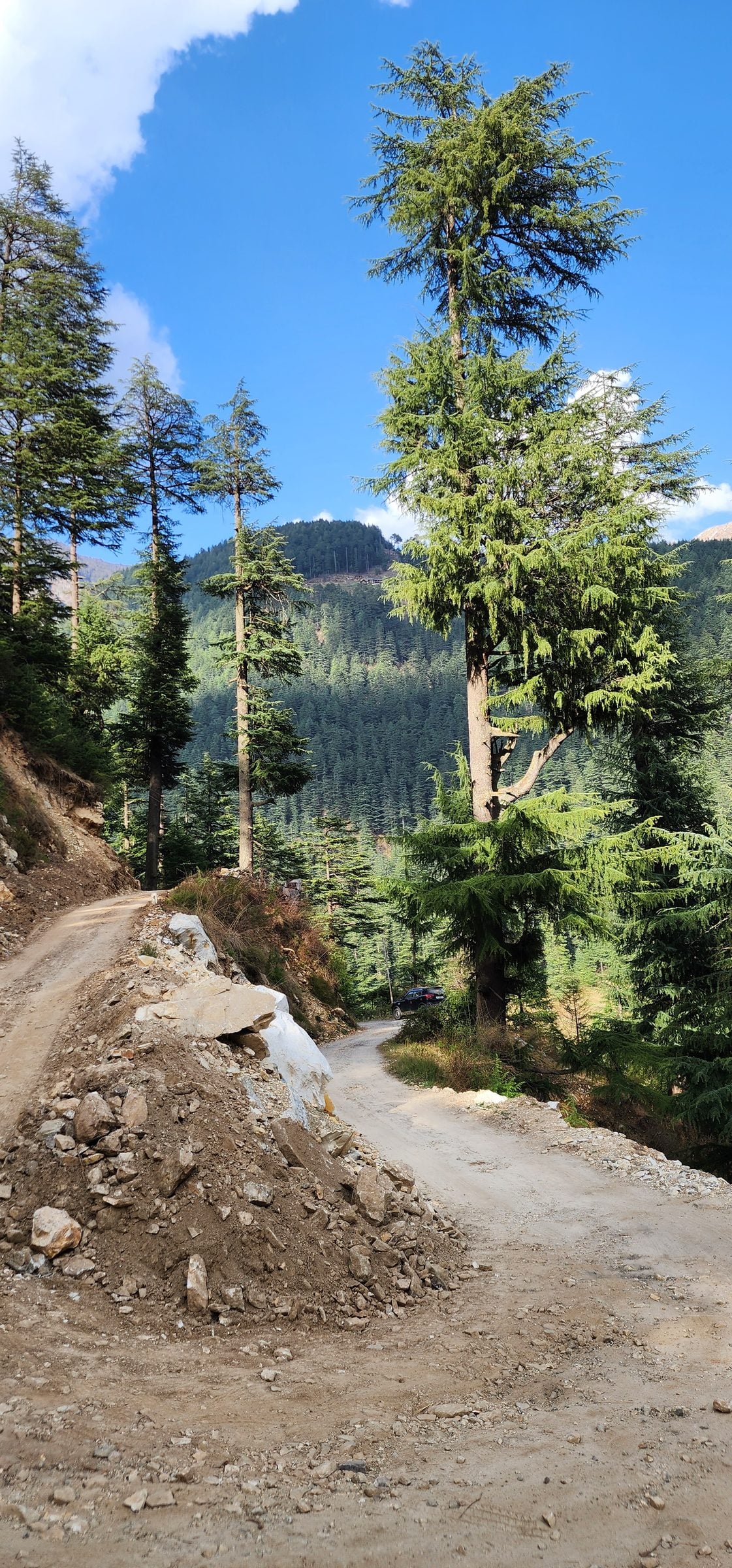
- Roadside slips and rockfall. Cut sections of mountain road shed material after sustained rain. Most of it is small and gets cleared. Some of it closes a road for a day.
- Roads that are open in the morning and not in the afternoon. A single-lane mountain road with one slip on it has no alternative route.
- Water crossings that change through the day. Rain that fell hours ago upstream arrives on your crossing later.
- Slick trails. Wet rock, wet moss and wet pine needles are all considerably more slippery than they look.
Twelve habits that make September easy
Before you leave
- Build a buffer day. If you have a flight or a train at the far end, do not plan to travel to it on the last possible day. One road closure should cost you a day of holiday, not a ticket.
- Download offline maps. Signal is patchy and network-dependent through the valley, and worse as you climb. Do not plan to navigate live.
- Carry cash. Jibhi village has no ATM. The nearest is in Banjar. Draw what you need before you turn off the highway.
- Tell your stay when you are arriving, and by which route. The people who live here know what the road did this morning. That is information no forecast holds.
On the road
- Drive the valley in daylight. The stretch up from Aut through Banjar is narrow, winding and unlit in places. Night plus rain plus an unfamiliar road is the combination to avoid.
- Do not stop under a cut slope. If you pull over, pick the open side. The photograph can wait forty metres.
- Ask before you commit to the pass. Jalori Pass is high, exposed and the first thing to become unpleasant in weather. Confirm its state on the morning you intend to cross, from someone in the valley.
- Treat a closure as information, not a challenge. If a road is blocked, it is blocked. Turn around, take the extra night, and enjoy it.
On foot
- Go in the morning. This is the whole trick, and it is worth repeating.
- Do not cross rising water. If a stream is higher or louder than it was, wait or turn back. Water levels here rise from rain that fell somewhere you cannot see.
- Wear shoes with actual grip. Most September injuries in mountain country are a slip on wet rock, not anything dramatic.
- Tell someone your route and your expected return. Especially if you are walking alone, and especially where you will lose signal.
Ground truth beats forecast, always
Everything above comes from instrument readings, and instrument readings do not check roads.
A forecast can tell you that 9.6 mm of rain is likely. It cannot tell you that a culvert washed out above Banjar last night, or that the trail to the waterfall is fine but the last hundred metres is not. Only someone standing in the valley can tell you that.
So make one phone call on the morning you travel or the morning you set out. Ask what the road did overnight. It takes two minutes and it is the single highest-value thing in this article.
What September is actually good for
Having established all that: September is one of the best months to be here.
- The valley is at its greenest, and the light after rain is the best light of the year.
- It is quiet. The season's crowds are gone and the winter ones have not arrived.
- The river is full and loud, which is the sound most people remember afterwards.
- Wet weather suits the slow things. Forest bathing is genuinely better in mist than in sunshine, as long as the sky is clear enough for the trail to be safe. The cedars hold the cloud and the paths empty out.
- Indoor hours are not wasted hours if you are somewhere worth sitting still in.
That last point is the one worth planning around. September rewards a stay you are happy to be rained into, and punishes an itinerary packed too tight to absorb one lost afternoon. Look at places to stay across the valley with that in mind, and pick for the balcony and the kitchen rather than the checklist.
Come in September. Just come with a spare day in your pocket, cash in your wallet, and the phone number of wherever you are staying.
Weather figures in this article are instrument readings for the Jibhi valley coordinates taken at 05:30 IST on 7 September 2026 and at 21:15 IST on 18 September 2026, and describe those readings only. They are not a road report. Conditions in the Himalaya change faster than any page can, so confirm locally before you travel or set out.
Jibhi Trip Essentials
For planning routes, timing, and live conditions, use the core Jibhi guides:
Gallery
Related reads
- Jibhi Weather Today — 19 September 2026
Jibhi weather on 19 September 2026: Clear sky, 11.5°C, with the seven-day valley forecast and today's ground report.
- Which Is Better Jibhi Or Kasol
Which is better Jibhi or Kasol? Discover why Jibhi wins in 2026 — live updates, weather, safety, and travel tips for Jibhi in June.
- Where the Mountains Whisper: Your Guide to Jibhi Valley in April 2026
Best places to visit in Jibhi, Himachal Pradesh — from Jalori Pass to Chehni Kothi. Complete guide for 2026 with weather, safety, travel tips, and where to stay.
- Where the Mountains Whisper: Your Complete Guide to Jibhi Valley in Spring 2026
Best places to visit in Jibhi, Himachal Pradesh in 2026. From Jalori Pass to Chehni Kothi, explore Jibhi Valley with local insights on weather, safety, and travel tips.
- Jibhi: Where Time Slows Down and the Mountains Speak
Jibhi, Himachal Pradesh guide: places to visit, weather, safety, and travel tips. Discover why Jibhi Valley is the ultimate escape for slow travel in the Himalayas.
- Breathing in the Stillness: What Jibhi Weather Feels Like Right Now
Jibhi weather today: 18°C, clear skies, no snow. Spring blooms & mild temps. What to expect now and when snow returns. Plan your visit with live updates.
Stay Updated
Subscribe to our newsletter for travel tips and updates about Jibhi.