What the Weather at Jalori Pass Really Means for Your Jibhi Trip
6 Feb 2026•6 min read
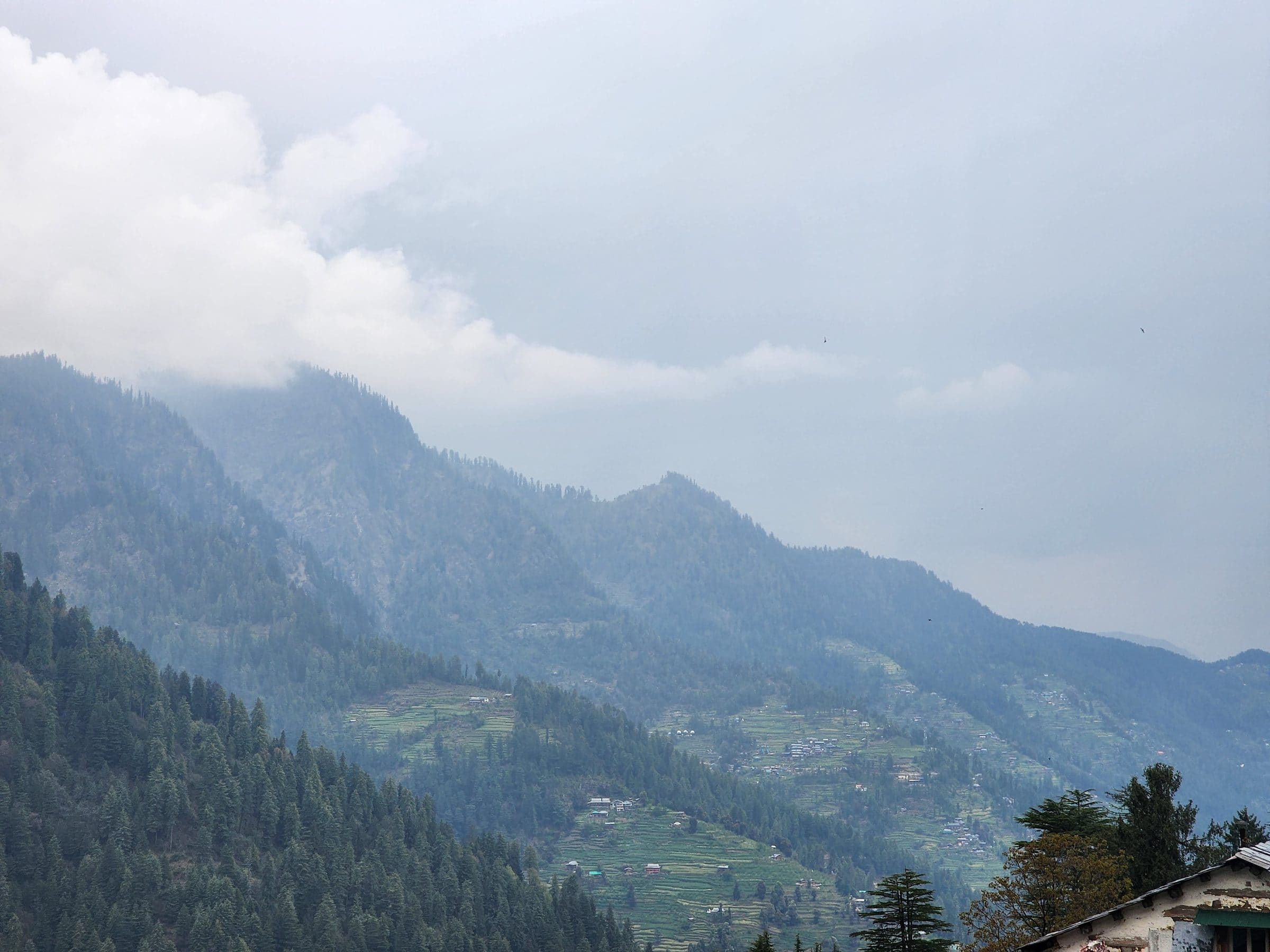
Jalori Pass weather guide for April 2026: current conditions, snow status, seasonal forecasts, road access, and trek planning from Jibhi. Updated today.
Share this guide
Is Jalori Pass Open Today?
As of Sunday, 12 April 2026, Jalori Pass is open and accessible by car. The road from Jibhi to the pass (14 km, 45-minute drive) is clear, and conditions are excellent for day trips, treks to Serolsar Lake, and scenic drives. April sits squarely in the spring window when Jalori Pass shakes off winter and welcomes the trekking season.
Jalori pass weather in early April allows the winter snow to clear out leading to the opening of the pass, but this year's mild late-winter conditions mean the road has been open since mid-March. That said, weather in the high Himalayas shifts quickly. Always confirm road status locally in Jibhi village or at Banjar before heading up—especially if you're planning an early morning departure.
Is There Snow in Jalori Pass Now?
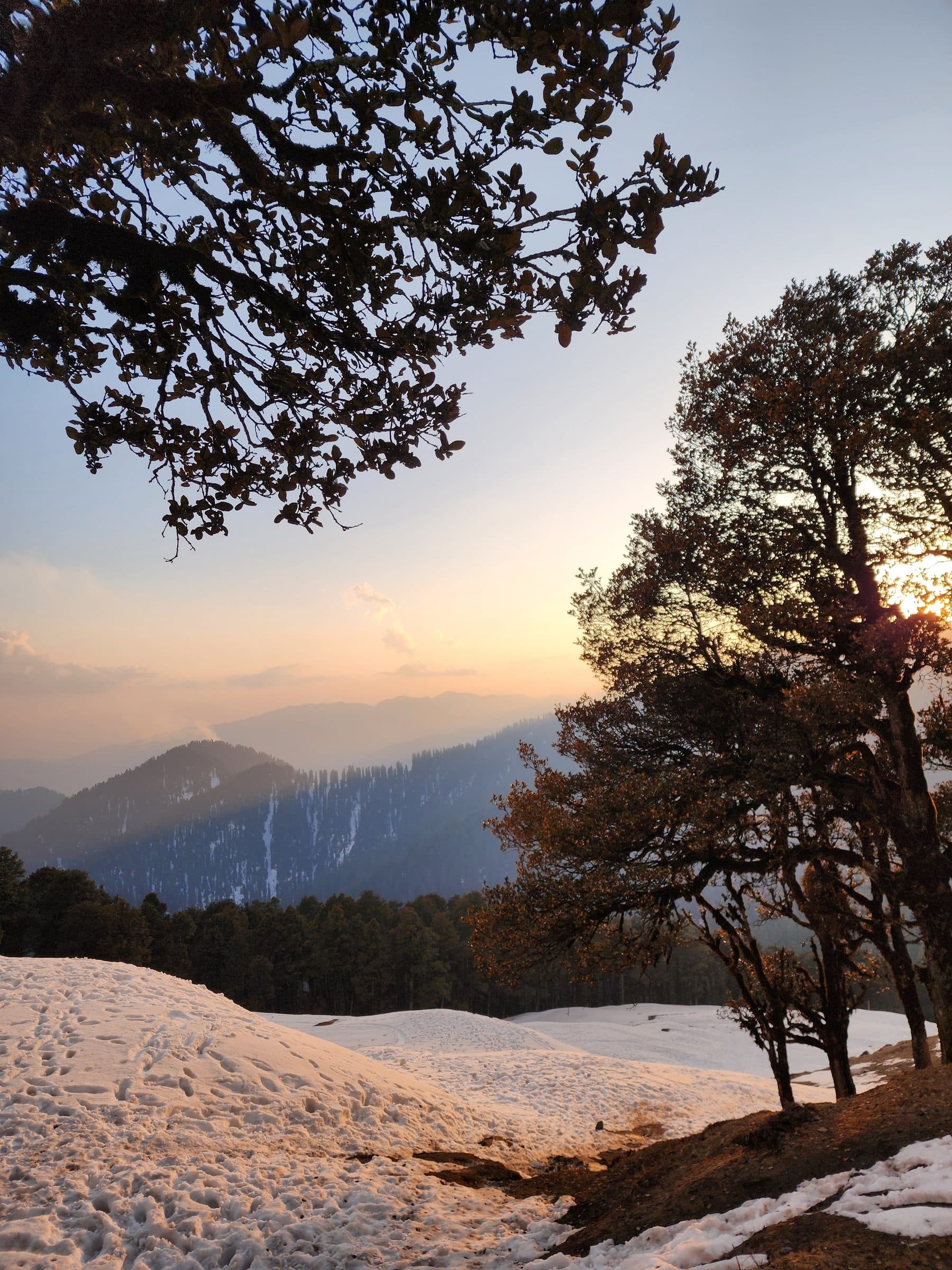
Not on the road itself. By mid-April, the main route to Jalori Pass is snow-free, though you'll still find patches of snow on shaded slopes and in the forest along the Serolsar Lake trail. The pass top (3120m) may have remnants of compacted snow near the tea stalls, but it's walkable and safe.
If you're hoping for snow, you've just missed the tail end of the season. December through February brings heavy snowfall—Jalori Pass closes entirely during these months, with snow depths reaching several feet. March sees the thaw begin, and by April, the landscape transitions to spring green with lingering white accents in higher pockets.
For real-time updates on jalori pass weather, ask your host in Jibhi. Most homestays and guesthouses—including those following the ailyak philosophy of slow, grounded hospitality—keep daily tabs on pass conditions and can advise on trek feasibility.
Jalori Pass Weather: What to Expect by Season
Understanding Jalori Pass weather means understanding altitude. At 3120m, the pass sits well above Jibhi village (2250m), and temperatures drop sharply as you climb. Here's what each season brings:
Spring (March–April)
Temperature range: 5°C to 15°C during the day at the pass; mornings can dip to 0°C
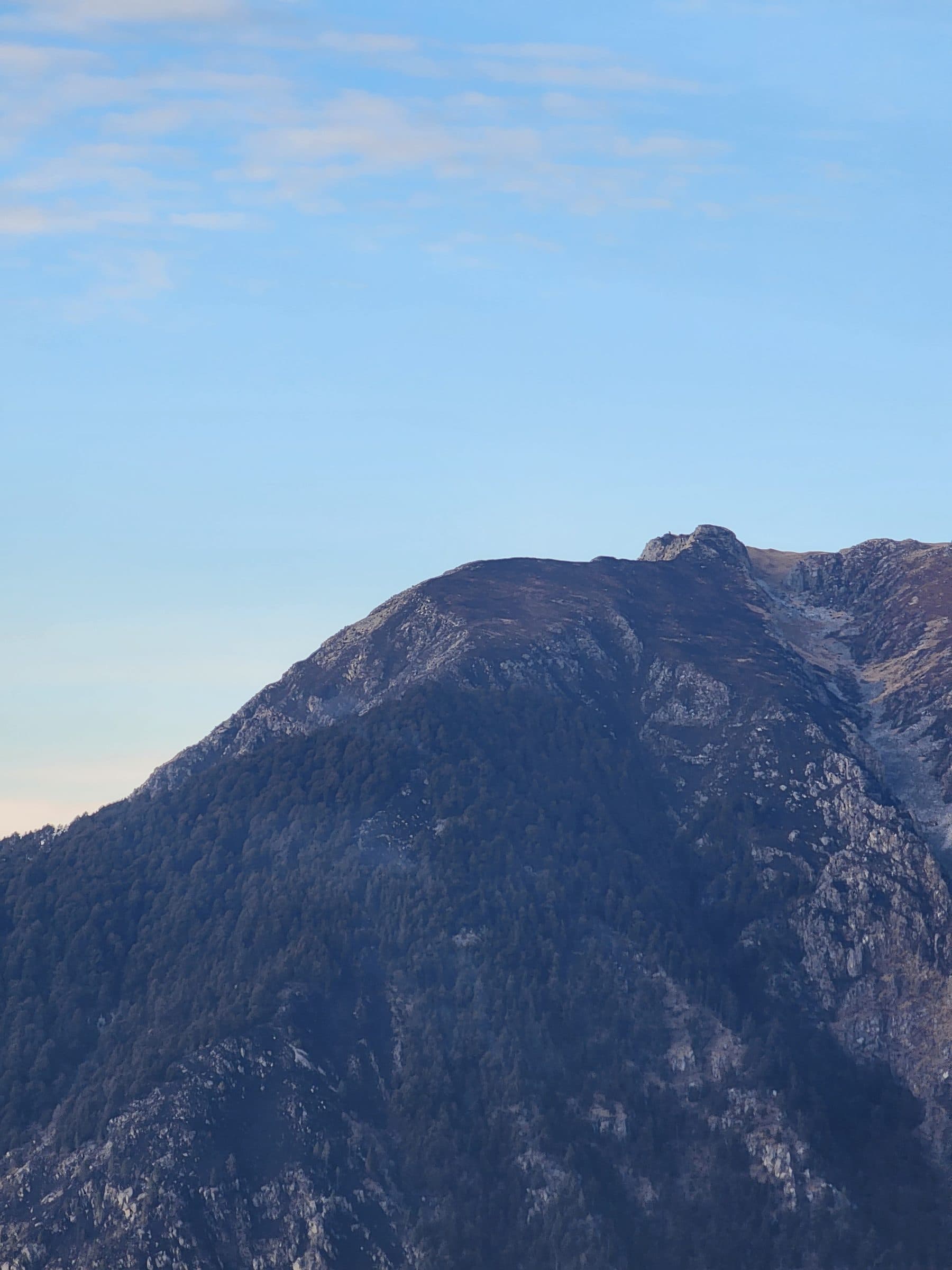
Conditions: Clear skies, apple blossoms in the valleys below, crisp mountain air. This is the best time to plan a Jibhi trek to Jalori Pass. The Serolsar Lake trail is accessible, the forest is waking up, and birdwatching is exceptional—Himalayan Monal, Koklass Pheasant, and Bar-tailed Treecreeper are all active.
A picturesque waterfall cascading through the lush green landscape of Jibhi Valley, Himachal Pradesh, India
Summer (May–June)
Temperature range: 10°C to 20°C
Conditions: Warm, dry, and ideal for multi-day treks. The road is fully open, wildflowers carpet the meadows, and the pass sees its busiest visitor flow. Expect small crowds at the tea stalls on weekends.
Monsoon (July–August)
Temperature range: 8°C to 18°C
Conditions: Heavy rain. The Jalori Pass trek is possible but slippery; leeches are common on forest trails. NH305 from Jibhi to the pass is prone to landslides—road cuts can close access for hours or days. If you're visiting Jibhi during monsoon, treat Jalori Pass as a bonus, not a certainty.
Autumn (September–November)
Temperature range: 5°C to 15°C
Conditions: Post-monsoon clarity, coloured foliage, and some of the best visibility of the year. October and November are the peak months for Jalori Pass. The air is sharp, the skies are wide, and the Serolsar Lake trail glows with oak and maple hues.
Winter (December–February)
Temperature range: -15°C to 5°C
Conditions: Jalori Pass is closed due to heavy snowfall. The road is impassable, and the pass remains under snow until March. Jibhi village itself stays accessible and becomes a base for snow tourism, but the pass and Serolsar Lake are off-limits.
Foreground tree branches frame a snowy, sunlit hillside landscape.
Jalori Pass Weather and Snowfall Prediction
Real-time Jalori Pass temperature and snowfall prediction data is limited—there's no weather station at the pass itself. The closest reliable forecasts come from Banjar (10 km from Jibhi) or Kullu, but these sit at much lower altitudes and don't reflect pass conditions accurately.
For snowfall prediction in Jalori Pass, your best sources are:
- Local knowledge: Ask your host in Jibhi or check with tea stall owners at the pass top.
- Regional forecasts: Use Kullu or Shimla weather forecasts as a rough guide, then adjust for altitude (expect temperatures 5–8°C cooler at the pass).
- Road status updates: The Banjar Sub-Divisional Magistrate's office and local transport unions post road closure notices during heavy snow or rain.
Jalori Pass snowfall today (12 April 2026): None. Clear skies, light breeze, daytime temperatures around 12°C at the pass.
Jibhi to Jalori Pass Distance and Drive Details
The Jibhi to Jalori Pass distance is just 14 km, but the drive takes 45 minutes due to narrow, winding roads. The route follows NH305 toward Banjar, then turns onto the Jalori Pass road at Shoja junction. The climb is steep, the views are sweeping, and the road surface is generally good—though monsoon can leave potholes and loose gravel.
A picturesque waterfall cascading through the lush green hills of Jibhi Valley, Himachal Pradesh, India
Most visitors base themselves in Jibhi and make Jalori Pass a day trip, often combining it with the Serolsar Lake trek (5 km, 2–2.5 hours one way from the pass). The trek is easy to moderate, threading through dense deodar and oak forest to a sacred high-altitude lake at 3100m.
If you're driving yourself, a sedan can make it in dry conditions, but an SUV or hatchback with good ground clearance is more comfortable. Local taxis from Jibhi charge ₹1000–₹2000 for a return trip to Jalori Pass with waiting time.
Weather Forecast Jalori Pass: How to Stay Updated
There's no dedicated weather forecast Jalori Pass service, but here's how to stay informed:
- Ask locally: Your homestay host in Jibhi will have the most current information. Families running guesthouses here—especially those rooted in the ailyak way of life—are deeply connected to the rhythm of the mountains and track weather closely.
- Check Kullu or Shimla forecasts: Use these as a baseline, then assume Jalori Pass will be 5–8°C cooler and more prone to sudden cloud cover or wind.
- Monitor road status: If the pass is closed due to snow or rain, you'll hear about it in Jibhi village within hours. BSNL and Airtel have the most reliable mobile signal here; Jio is patchy.
Planning Your Jalori Pass Visit from Jibhi
Jalori Pass isn't just a scenic drive—it's the gateway to some of the region's most rewarding treks and landscapes. Whether you're heading up for sunrise, tackling the Serolsar Lake trail, or simply sitting at the pass top with chai and mountain silence, the weather will shape your experience.
April through June and September through November offer the most stable conditions. If you're visiting now, in mid-April, you're in the sweet spot: clear skies, manageable temperatures, and the forest trails just opening up after winter.
Base yourself somewhere that understands the pace of this place. Ailyak Stays in Jibhi offers thoughtfully designed homestays where you can plan your trek over slow mornings, return to comfort after a day at the pass, and sink into the rhythm of the mountains. Forest bathing, riverside walks, and bonfire evenings complete the experience—because the best trips to Jalori Pass aren't rushed. They're lived at Ailyak pace.
Explore stays, experiences, and local guidance at jibhi.in/partners.
Jibhi Trip Essentials
For planning routes, timing, and live conditions, use the core Jibhi guides:
How to Check if Jalori Pass is Open and Plan Your Trip
A guide to determining current road conditions and weather suitability for visiting Jalori Pass from Jibhi.
Total Time: 1 hour
1
Check the Current Date and Season
Determine if you are traveling between March and June or September to November, which are ideal windows when Jalori Pass is typically open. Avoid December to February due to heavy snowfall and closure.
2
Verify Road Status Locally
Before departing, confirm the road condition with your homestay host or local contacts in Jibhi or Banjar, as Himalayan weather can change rapidly even during open seasons.
3
Assess Weather Conditions
Look for recent updates on jalori pass weather, especially if traveling in early April or late season, to ensure snow has cleared the main road and trekking routes are safe.
4
Plan Activities Based on Conditions
If the pass is open, proceed with day trips, scenic drives, or treks to Serolsar Lake. Note that shaded areas or higher elevations may still have snow patches, so wear appropriate footwear.
Frequently Asked Questions
Yes, as of April 12, 2026, Jalori Pass is open and accessible by car. The road from Jibhi is clear, and conditions are excellent for day trips and treks.
No, the main road to Jalori Pass is snow-free by mid-April. However, you may still find patches of snow on shaded slopes and along the Serolsar Lake trail.
The best time to visit for trekking is during spring, from March to April, when the weather is clear and the pass becomes accessible after winter closure.
Yes, Jalori Pass typically closes from December through February due to heavy snowfall, with snow depths reaching several feet. The pass usually reopens in early May, though it opened earlier in 2026.
During spring (March–April), daytime temperatures at Jalori Pass range from 5°C to 15°C, with mornings dipping to around 0°C. The skies are generally clear, offering crisp mountain air and scenic views.
You can confirm the current road status by asking your host in Jibhi village or checking with local guesthouses, as they keep daily updates on pass conditions and trek feasibility.
Related reads
- Chasing Clouds and Quiet: The Road from Jibhi to Jalori Pass
Jibhi to Jalori Pass distance is 14 km. Know road status, weather, snowfall, and trek details for 2026. Plan your Himalayan escape with local insights.
- Where the Forest Whispers: Trekking to Serolsar Lake from Jibhi
Plan the Serolsar lake trek from Jibhi: trail guide, weather, difficulty, and best time to visit. Experience the sacred lake via Jalori Pass.
- Chasing Clouds and Stillness: The Journey to Jalori Pass from Jibhi
Jalori Pass trek guide: current status, weather, snowfall, and route from Jibhi. Is Jalori Pass open now? When to visit? Plan your 2026 trip with real-time updates.
- Chasing Clouds and Stillness: A Trekker’s Guide to Jalori Pass from Jibhi
Plan a Jibhi trek to Jalori Pass with up-to-date info on weather, snowfall, and access. Find out if Jalori Pass is open, trek details, and where to stay.
- Under the Peaks: A Real-Time Guide to Jalori Pass Weather & Access
Jalori Pass weather and open status for September 2026: what today's readings say, how the road is actually checked each morning, and the drive and treks from Jibhi.
- When It Snows in Jibhi: Your Complete Guide to Winter in the Valley
Jibhi temperature, snowfall timing, and winter weather guide. Find out when it snows in Jibhi, current conditions, and how to plan your Himalayan escape.
Stay Updated
Subscribe to our newsletter for travel tips and updates about Jibhi.