Beneath the Snow: How Jibhi’s Weather Weaves Magic Through the Seasons
12 Jul 2025•3 min read
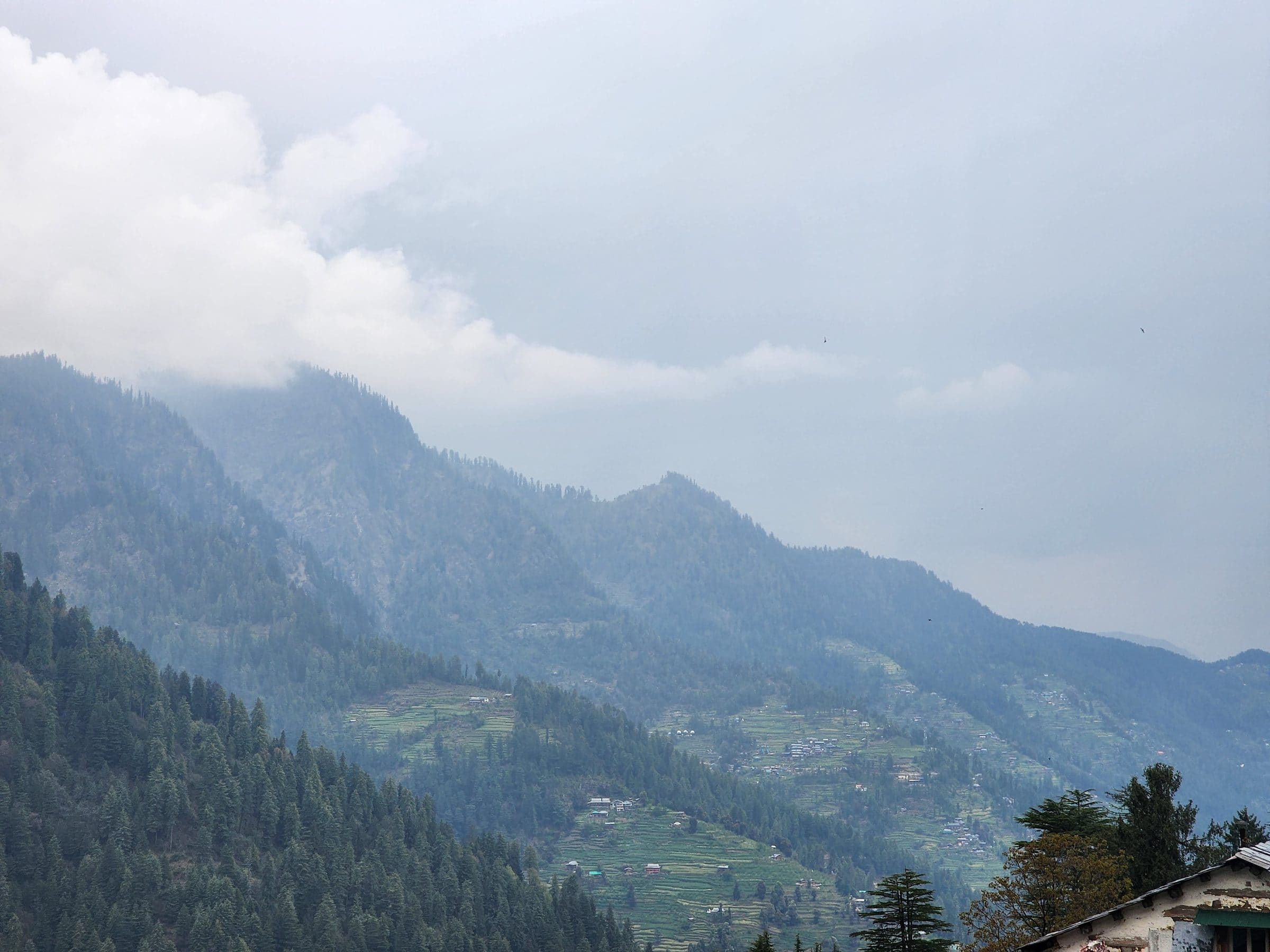
Beneath the Snow: How Jibhi’s Weather Weaves Magic Through the Seasons
Share this guide
Jibhi Weather: Your Complete Seasonal Guide
Today is 12 April 2026, and Jibhi Valley is waking up in soft spring light. Apple blossoms dot the hillsides, the Tirthan River hums with melted snow, and a crisp 14°C morning gives way to sunny 22°C afternoons. If you're wondering what the weather is like in Jibhi right now, this is it — mild, clear, and perfect for slow strolls through orchards and forest trails.
But Jibhi’s true magic lies in how its weather transforms across the year — from monsoon mists to winter silences. Let’s explore what to expect, when to visit, and whether there’s snow in Jibhi — right now or later this year.
Does it snow in Jibhi?
Yes — Jibhi experiences regular snowfall every winter. Located at 2250m in the Tirthan Valley, it receives moderate to heavy snow from December through February. While the village remains accessible, the surrounding peaks and higher trails like Jalori Pass (3120m) are buried under snow, and the pass closes until May.
Snowfall in Jibhi isn’t just a weather event — it’s a transformation. The wooden homestays wear caps of white, the apple trees stand bare against a hushed landscape, and the rhythm of life slows even deeper into ailyak — the unhurried local way.
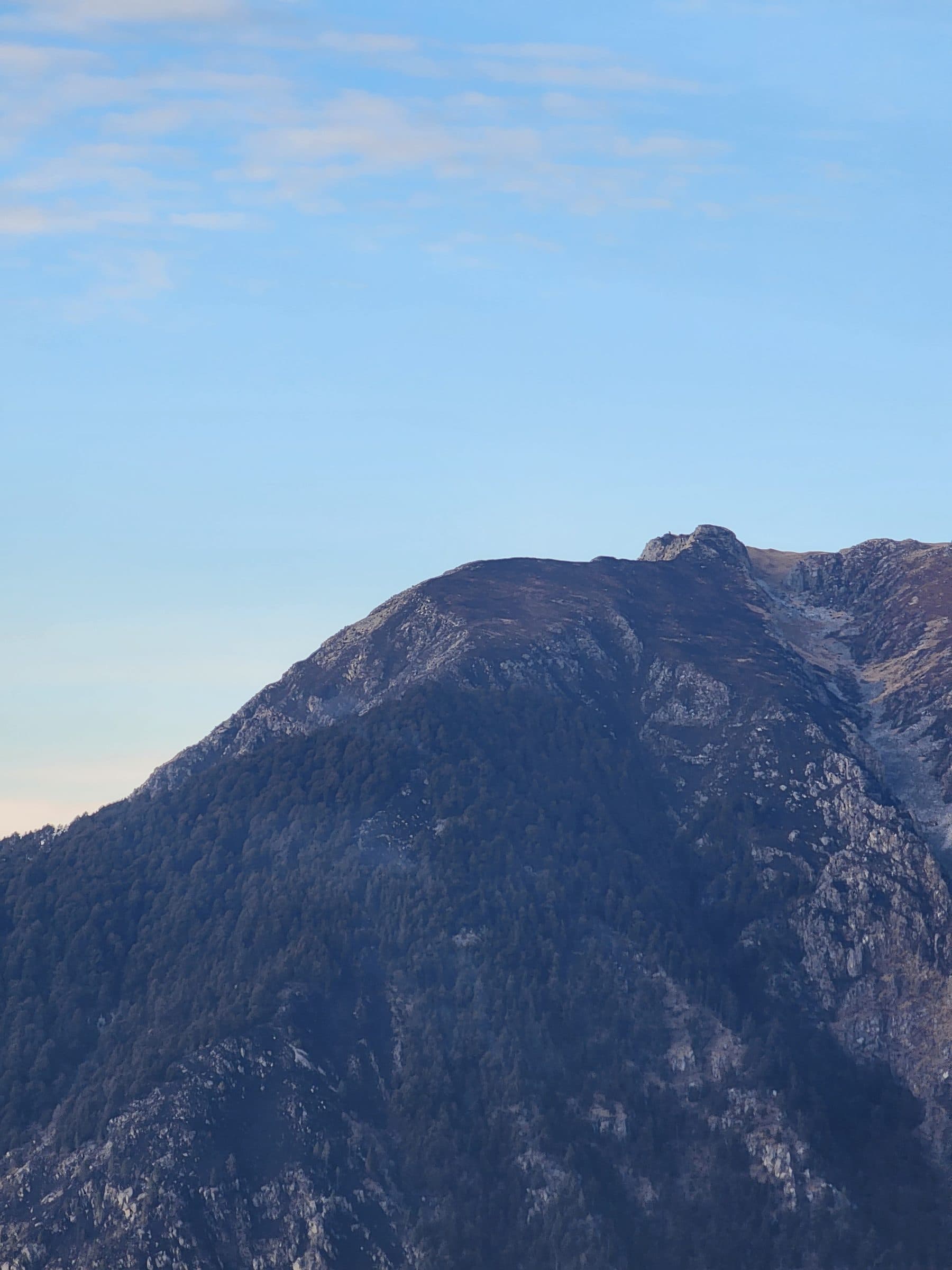
A picturesque waterfall cascading through the lush green landscape of Jibhi Valley, Himachal Pradesh, India
Is it snowing in Jibhi right now?
As of 12 April 2026, no — it is not snowing in Jibhi. The last snowfall ended in early March, and spring is now in full bloom. Temperatures range from 8°C at night to 24°C during the day, with clear skies dominating.
So, is there snow in Jibhi now? Not in the village. Higher elevations like Jalori Pass may still hold patches, but the roads are clear, and treks to Chehni Kothi and Jibhi Waterfall are open.
When does it snow in Jibhi?
Jibhi’s snow season typically runs:
- December: First flurries, light dustings at higher edges
- January–February: Peak snowfall — 1–2 feet in the village, deeper on ridges
- March: Occasional late snow, especially first week
- April onwards: No snowfall expected
So when will it snow in Jibhi again? Not until late November or December 2026. If you're dreaming of a snowy escape, plan for January or early February for the most reliable snowfall in Jibhi.
A picturesque waterfall cascading through the lush green hills of Jibhi Valley, Himachal Pradesh, India
Jibhi Weather by Season: What to Expect
###March–April (Current Season)
Temperature: 10°C to 24°C
Apple blossoms bloom, birds return, and trails dry up. This is one of the most beautiful times to visit — mild, sunny, and serene. Perfect for riverside walks and photography.
###May–October
Temperature: 15°C to 28°C
The valley turns lush. Monsoon (July–August) brings heavy rain — NH305 is prone to landslides, so check road conditions. But post-monsoon (October) is the best time to visit: clear skies, golden foliage, and cool breezes.
###November
Temperature: 5°C to 18°C
Crisp air, fewer crowds, and stunning autumn colours. A quiet time ideal for solitude seekers.
###December–February
Temperature: -2°C to 10°C
Snow season. Electricity cuts are common, but most stays (like Ailyak Stays) have backup power. Nights are freezing — pack warm.
Jibhi Weather Forecast: How to Stay Updated
Since mobile networks (BSNL and Airtel strongest) can be spotty, rely on:
- Local guesthouse updates
- HP PWD and SDM office alerts for road closures
- Jibhi weather forecast 15 days via offline apps like AccuWeather (download before arrival)
There is no live "jibhi temperature today" sensor, but homestays track conditions daily.
Slow Down in the Hills — Experience Ailyak
Weather shapes the soul of Jibhi. Whether it’s sipping chai by a fire in snowfall season or forest bathing under spring blossoms, every moment here is an invitation to be present.
At Ailyak Stays & Experiences in Jibhi, Shoja, and Seri, we’ve built our retreats around this rhythm. Stay in handcrafted wooden cottages, join riverside picnics or cold water dipping, and let the silence heal you.
Our café serves slow-cooked meals under open skies — a true “third space” in the hills.
Ready to trade rush for rhythm?
👉 Explore stays and experiences: jibhi.in/partners
---META
Jibhi weather guide: current conditions, snowfall months, temperature trends, and best time to visit. Plan your Himalayan escape with real-time insights.
Jibhi Trip Essentials
For planning routes, timing, and live conditions, use the core Jibhi guides:
How to Plan a Visit Based on Jibhi Weather
Discover the best time to visit Jibhi by understanding its seasonal weather patterns.
Total Time: 1 hour
1
Check the Current Season
As of 12 April 2026, Jibhi is in spring with mild temperatures (8°C–24°C), clear skies, and blooming apple orchards—ideal for outdoor walks and nature viewing.
2
Understand Winter Snowfall Patterns
Jibhi receives snow from December to February due to its elevation (2250m). If you seek snow, visit during these months, but note that higher areas like Jalori Pass remain closed until May.
3
Plan Around Monsoon and Visibility
Avoid heavy monsoon travel if you prefer clear views; instead, embrace spring or post-monsoon autumn for lush greenery and stable weather.
4
Prepare for Temperature Shifts
Pack layers regardless of season—nights remain cool year-round, especially in the Himalayan climate of Jibhi Valley.
Frequently Asked Questions
Yes, Jibhi experiences regular snowfall every winter, with moderate to heavy snow from December through February. The village receives 1–2 feet of snow, while higher areas like Jalori Pass get deeper accumulations.
As of 12 April 2026, it is not snowing in Jibhi. The last snowfall ended in early March, and the region is now experiencing spring weather with clear skies and mild temperatures.
Jibhi typically sees snow from December to February, with the first flurries in December, peak snowfall in January and February, and occasional late snow in early March. No snowfall occurs from April onwards.
No, as of 12 April 2026, there is no snow in the village of Jibhi. While higher elevations like Jalori Pass may still have snow patches, the roads and treks are clear and accessible.
The next snowfall in Jibhi is expected in late November or December 2026. The snow season typically begins in December and lasts through February.
As of 12 April 2026, Jibhi has mild spring weather with temperatures ranging from 8°C at night to 24°C during the day. Mornings are crisp at 14°C, afternoons reach 22°C, and skies are generally clear.
Related reads
- Breathing in the Silence: A Real-Time Guide to Jibhi Weather and the Rhythm of Mountain Seasons
Breathing in the Silence: A Real-Time Guide to Jibhi Weather and the Rhythm of Mountain Seasons
- Under the Snow: What to Expect from Jibhi Weather in April and Beyond
Jibhi weather guide: current temperature, snowfall conditions, and seasonal forecast. Plan your visit with accurate, up-to-date insights.
- Breathing in the Cold: What’s the Temperature Like in Jibhi Today?
Jibhi temperature today: 7°C to 18°C. No snow now — spring is here. Get the latest jibhi weather forecast, snowfall updates, and travel tips for April 2026.
- When Silence Falls: Snow, Stillness, and the Soul of Jibhi in December
Jibhi weather in December brings snowfall and stillness. Learn when it snows, what to expect, and how to plan your winter escape to this Himalayan valley.
- When It Snows in Jibhi: Your Complete Guide to Winter in the Valley
Jibhi temperature, snowfall timing, and winter weather guide. Find out when it snows in Jibhi, current conditions, and how to plan your Himalayan escape.
- Beneath the Snow: Understanding Jibhi’s Seasons and When to See the Valley Blanketed in White
Current jibhi temperature, weather & snowfall updates. When does it snow in Jibhi? See the 15-day forecast, best time to visit, and where to stay.
Stay Updated
Subscribe to our newsletter for travel tips and updates about Jibhi.