Jibhi Waterfall: Trek Route, Location & Best Time
28 Aug 2026•7 min read
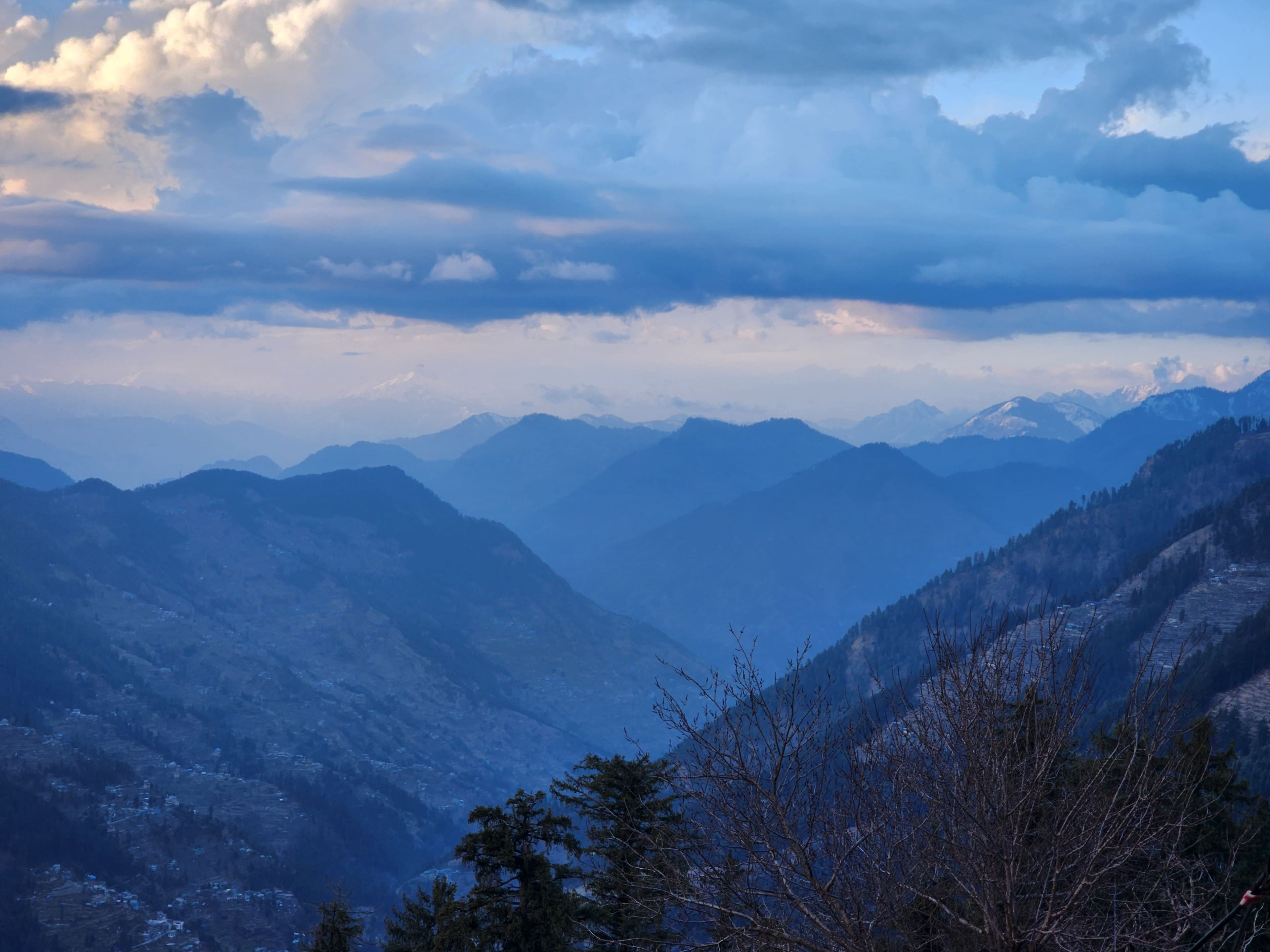
Complete guide to Jibhi waterfall in Banjar Valley, Kullu district. Trek route, seasonal conditions, photography tips, and how to reach from Jibhi village.
Share this guide
Jibhi Waterfall: Your Complete Guide to the Valley's Most Accessible Cascade
Meta Title: Jibhi Waterfall Guide: Location, Trek Route & Best Time to Visit | Jibhi.in
Meta Description: Complete guide to Jibhi waterfall in Himachal Pradesh - exact location, easy trek route, best photography spots, and seasonal tips for your Banjar Valley adventure.
The sound of cascading water echoes through the pine forests long before you catch your first glimpse of Jibhi waterfall. This accessible cascade has become central to most Jibhi Valley itineraries, offering both seasoned trekkers and families with children a rewarding mountain experience without the technical demands of higher-altitude adventures.
Where to Find Jibhi Waterfall
Jibhi waterfall sits in the Banjar Valley of Kullu district, Himachal Pradesh, easily reachable from the main village cluster. The waterfall serves as a solid introduction to the valley's natural offerings, particularly for travelers who want to experience Himachal's mountain streams without committing to full-day treks toward Jalori Pass or the more remote corners of the Tirthan Valley.
The cascade flows year-round, fed by mountain springs and seasonal snowmelt from the higher ridges. During monsoon months, the volume increases dramatically, while winter often brings partially frozen falls surrounded by snow-dusted conifers.
The Trek to Jibhi Waterfall
Starting Your Journey
The trek begins from Jibhi village itself, following well-marked forest paths that wind through mixed woodland of pine, deodar, and oak. The route requires no special permits or guides, though local knowledge always enhances the experience.
Most visitors find the walk manageable within their regular fitness levels. The path includes some uphill sections but nothing that requires technical hiking skills. Proper footwear with good grip becomes essential during monsoon season when rocks can be slippery.
What to Expect Along the Way
The forest path offers multiple photo opportunities beyond the waterfall itself. Ancient trees, mountain wildflowers in season, and glimpses of the surrounding ridges create a rich backdrop for photography enthusiasts. Bird watchers often spot Himalayan species that thrive in this mixed forest environment.
Stream crossings add adventure to the route, particularly during higher water periods. These crossings remain safe for most travelers but require attention to foot placement and balance.
Photography at Jibhi Waterfall
Best Angles and Timing
Morning light filters through the forest canopy beautifully, creating dappled lighting effects on the falling water. The interplay between sunlight and mist generates excellent conditions for both wide landscape shots and detailed close-ups of water patterns.
The pool at the base of the falls provides reflection opportunities during calmer water periods. Photographers working with longer exposures can capture the classic silky water effect, though a tripod becomes necessary for sharp results.
Seasonal Photography Considerations
Each season transforms the waterfall's character completely. Spring brings fresh green foliage and wildflowers, while monsoon creates the most dramatic water volume. Winter photography requires extra preparation for cold conditions but rewards visitors with unique ice formations and snow-contrasted scenes.
Connecting with Shoja Waterfall Adventures
Understanding the Shoja Connection
Many travelers combine their Jibhi waterfall visit with exploration of waterfalls near Shoja, the mountain village positioned higher up the valley toward Jalori Pass. While Jibhi waterfall offers easier access, the Shoja area provides more challenging waterfall treks for those seeking additional adventure.
The Shoja waterfall trek involves steeper terrain and longer walking distances, making it suitable for travelers with stronger hiking experience. Some visitors prefer to tackle Jibhi waterfall first as a warm-up before attempting the more demanding Shoja routes.
Planning Multi-Waterfall Itineraries
Combining waterfall visits across the Banjar Valley creates excellent multi-day itineraries. Start with the accessible Jibhi cascade, then progress to more challenging options around Shoja based on your comfort level and available time.
This progression allows travelers to gauge their hiking abilities and weather conditions before committing to longer mountain adventures. It also provides backup options when weather or personal energy levels don't support more ambitious plans.
Seasonal Considerations for Your Visit
Spring and Summer Months
Warmer months bring the most comfortable trekking conditions, with clear paths and moderate water levels. The forest comes alive with bird activity and blooming vegetation. Stream crossings remain straightforward, and photography benefits from longer daylight hours.
Early morning starts help avoid crowds while capturing the best lighting conditions.
Monsoon Season Challenges and Rewards
Heavy rainfall transforms both the waterfall's power and the trekking experience. Water volume increases dramatically, creating spectacular displays but also more challenging stream crossings. Paths can become muddy and slippery, requiring extra caution and appropriate footwear.
Despite the challenges, monsoon season offers some of the most dramatic waterfall photography opportunities. The increased water flow and misty conditions create an entirely different atmosphere compared to drier months.
Winter Waterfall Experiences
Cold months bring unique beauty as water flow decreases and ice formations develop around the cascade. The surrounding forest takes on a stark beauty with bare deciduous trees contrasting against evergreen conifers.
Winter trekking requires additional preparation for cold conditions and potentially icy paths. However, the solitude and transformed landscape reward prepared visitors with unforgettable experiences.
Practical Planning for Your Waterfall Adventure
What to Bring
Sturdy hiking shoes with good traction top the essential items list, regardless of season. Water bottles, snacks, and basic first aid supplies support longer explorations. Camera equipment benefits from protective cases during monsoon season.
Layered clothing adapts to changing conditions as you move between sunny clearings and shaded forest sections. Rain protection becomes crucial during monsoon months, while winter visits require warm layers and possibly traction devices for icy conditions.
Timing Your Visit
Most visitors find 2–3 hours sufficient for the round trip, including time for photography and relaxation at the waterfall. Starting early provides better lighting conditions and helps avoid afternoon crowds during peak seasons.
Consider your overall Jibhi Valley itinerary when planning waterfall visits. Many travelers combine the waterfall trek with other local activities or use it as a rest day between more demanding adventures toward Jalori Pass or deeper into the Tirthan Valley.
Making the Most of Your Jibhi Valley Stay
Accommodation Considerations
Staying in Jibhi village itself provides the easiest access to the waterfall trek. Many local stays offer packed breakfast options for early morning adventures or advice on optimal timing based on current conditions.
Consider your accommodation's location when planning waterfall visits combined with other valley activities. Central Jibhi locations provide good access to multiple things to do while maintaining easy waterfall access.
Connecting with Other Valley Activities
The waterfall trek integrates well with other Jibhi Valley experiences. Use it as a gentle introduction to the area's trekking opportunities before tackling more challenging routes, or as a relaxing activity between more demanding adventures.
Many visitors combine waterfall photography with broader nature photography projects throughout the valley. The accessible location makes it an excellent testing ground for camera settings and techniques before venturing to more remote locations.
Respecting the Natural Environment
Leave No Trace Principles
The waterfall's accessibility brings responsibility to preserve its natural beauty for future visitors. Pack out all trash, stay on established paths, and avoid disturbing wildlife or vegetation around the cascade.
Respect the mountain environment by keeping noise levels appropriate for the forest setting. Many visitors come seeking tranquility, and maintaining the peaceful atmosphere benefits everyone's experience.
Supporting Local Communities
Your waterfall visits contribute to the local economy through accommodation, meals, and guide services when desired. Consider purchasing supplies from local shops rather than bringing everything from outside the valley.
Engage respectfully with local residents who may offer directions or insights about current trail conditions. Their knowledge enhances your experience while supporting the community connections that make Jibhi Valley special.
The Jibhi waterfall represents more than just a scenic destination – it serves as your introduction to the broader wonders of the Banjar Valley. Whether you're capturing the perfect photograph, enjoying a peaceful forest walk, or preparing for more ambitious mountain adventures, this accessible cascade provides the ideal starting point for your Himachal Pradesh mountain experience.
For current trail conditions and seasonal updates, check our valley updates before heading out on your waterfall adventure.
Jibhi Trip Essentials
For planning routes, timing, and live conditions, use the core Jibhi guides:
Related reads
- Chasing Serenity: The Quiet Magic of Jibhi Waterfall
Jibhi Waterfall guide: distance, weather, best time to visit & tips. See it year-round—ideal for photos, family walks, and quiet mountain moments.
- Chasing the Mist: A Walk to Jibhi Waterfall in April’s Golden Light
Jibhi Waterfall guide: distance, best time, photos & winter access. Easy 15-minute walk from Jibhi village. Plan your visit with local tips.
- Chasing Mist and Stone: The Hidden Waterfall Story of Shoja and Jibhi Valley
Discover Shoja Waterfall near Jibhi: best time, trek tips, weather & photos. Stay with Ailyak for mindful mountain living in Tirthan Valley.
- Chasing the Cascade: Your Complete Guide to Jibhi Waterfall
The Jibhi waterfall is a year-round mountain cascade just a 15-minute walk from the heart of Jibhi village, flowing strong with the monsoon and glistening under winter sun. Easily accessible and surrounded by pine-scented trails, it's the perfect short trek for families, solo travelers, and photographers chasing serene Himalayan moments. Whether you're visiting in spring bloom or standing beneath it in crisp winter air, the waterfall in Jibhi embodies the slow, soulful rhythm of *ailyak*.
- Chasing Serenity: The Jibhi Waterfall Walk
Short description The Jibhi Waterfall is a refreshing 15-minute walk from the village center — a year-round cascade best experienced post-monsoon or in spring. Swim in the pool below, snap photos of the misty drop, and soak in the valley’s unhurried rhythm.
- Where the Mountains Whisper: Your Guide to Jibhi Trekking in 2026
Best jibhi trekking guide 2026: discover jibhi treks, Serolsar Lake, Chehni Kothi, and Jalori Pass. When to go, how to reach, and where to stay.
Stay Updated
Subscribe to our newsletter for travel tips and updates about Jibhi.