When to Go: Finding the Best Time to Visit Shoja and Jibhi Valley
5 Mar 2026•3 min read
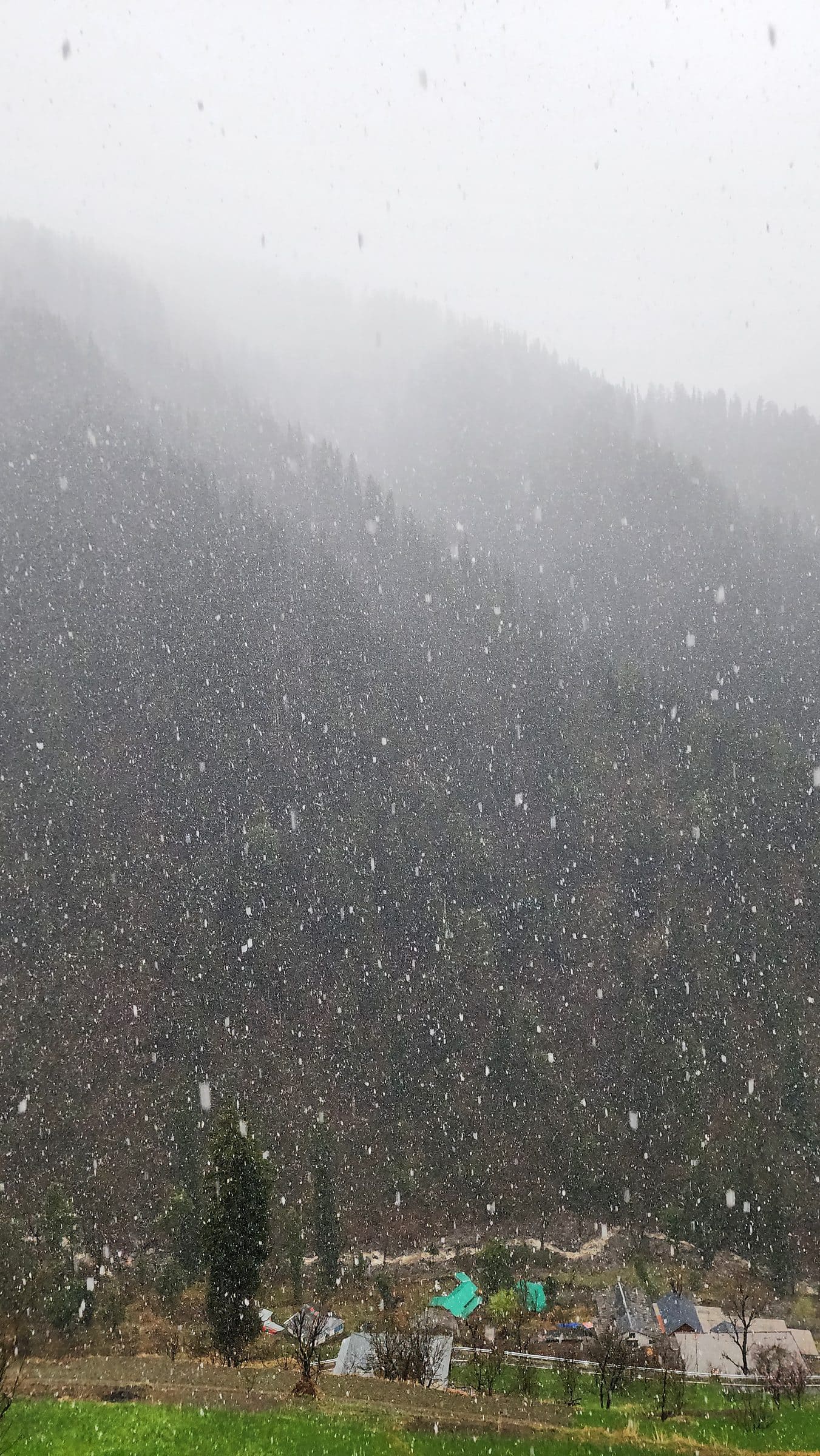
Discover the best time to visit Shoja and Jibhi Valley – from snowfall months to apple blossoms, monsoon treks and clear autumn skies. Plan your perfect Himalayan getaway.
Share this guide
Best time to visit Shoja: A Seasonal Guide
Planning a trip to the Jibhi Valley hinges on picking the right season. Whether you’re drawn to snow‑capped passes, apple blossoms, or monsoon‑green trails, the best time to visit Shoja and Jibhi changes with what you want to experience.
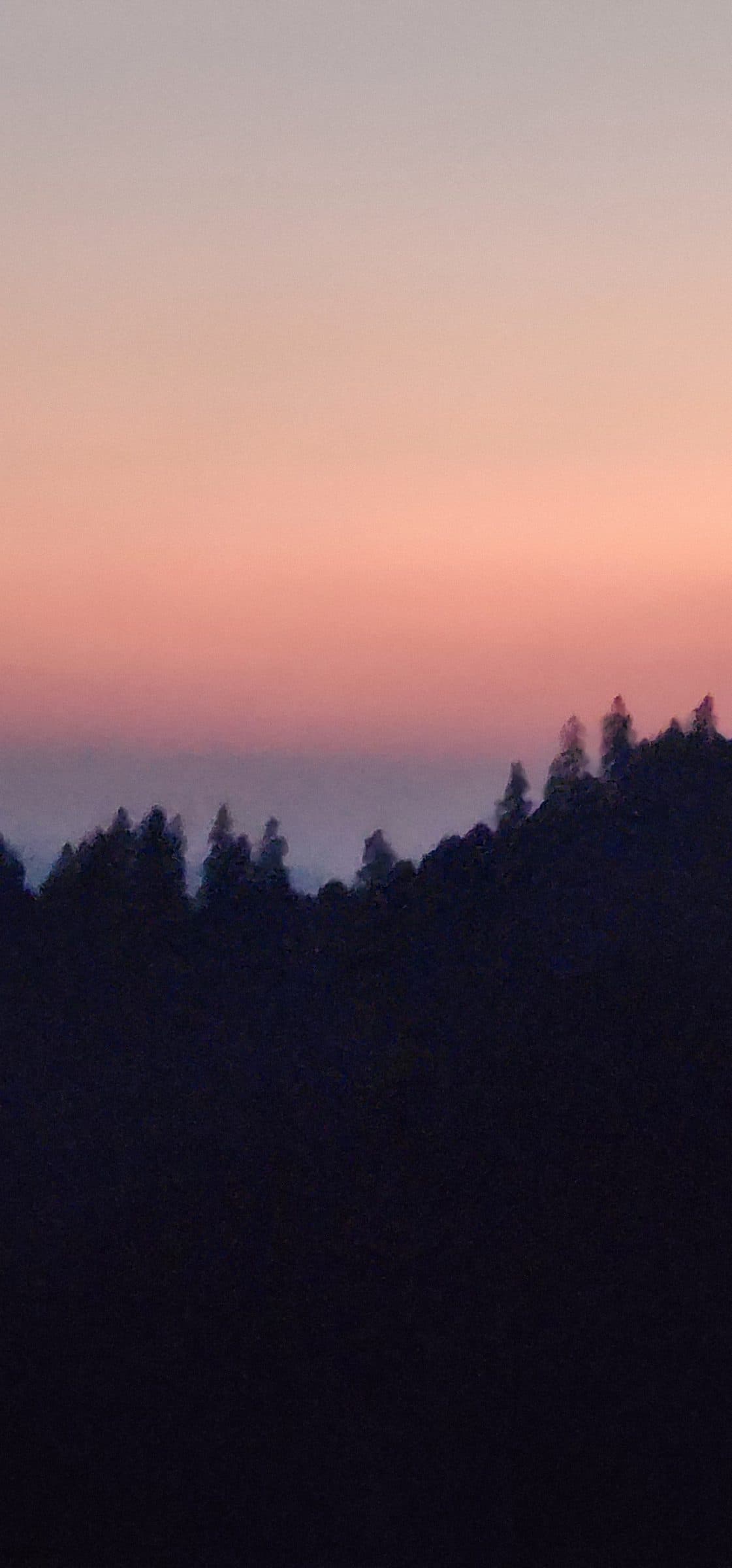
Silhouette of dense pine trees against a colorful twilight sky in Jibhi Valley
Best Time to Visit Shoja & Jibhi
For most travelers, October to November offers the clearest skies, crisp air, and vibrant foliage after the monsoon. March to April brings mild weather and the valley’s apple orchards in full bloom, making it ideal for leisurely walks and photography. If you prefer fewer crowds and don’t mind cooler temperatures, late September is also pleasant.
Best Time to Visit Shoja & Jibhi for Snowfall
Snow lovers should aim for December through February. Jibhi village stays accessible year‑round, but the higher Jalori Pass (3,120 m) closes due to heavy snow from November to April. During these months, you can enjoy snow‑covered landscapes, cozy homestays, and the quiet “ailyak” pace of life in the village itself.
Best Time to Visit Jibhi, Himachal Pradesh
The region’s climate follows the Himalayan pattern: summers (May–June) are warm enough for trekking, July–August sees intense monsoon rains that can trigger landslides on NH305, and winter (December–February) brings snowfall at altitude. Align your visit with your activity—trekking is best May–October, while snow scenery peaks December–February.
Best Time to Visit Shoja and Jibhi Together
Shoja sits at 2,700 m, just 16 km from Jibhi, and serves as the gateway to Jalori Pass. The optimal window for exploring both villages and the pass is May to October, when the motorable road to Jalori Pass is open. In this window you can drive to Shoja, continue to Jalori Pass, and trek to Serolsar Lake or Raghupur Fort. November to April limits pass access, but Shoja remains a peaceful base for short walks and village life.
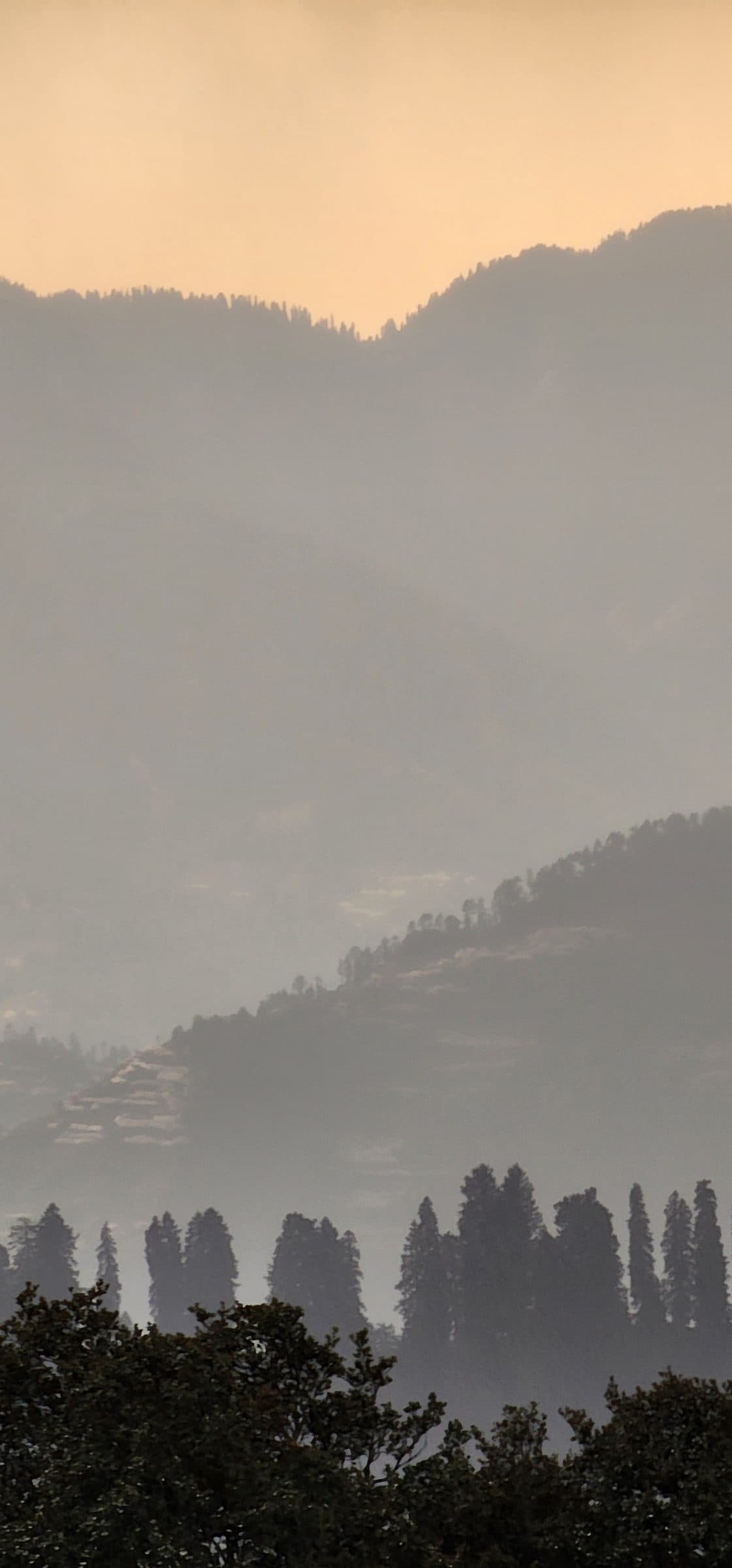
Layered forested mountains in the Jibhi Valley covered by soft mist.
Jibhi Tirthan Valley Best Time to Visit
The Tirthan Valley, encompassing Jibhi and Shoja, shines post‑monsoon (October–November) with clear river views and trout‑fishing opportunities. Spring (March–April) offers blossoming flora and comfortable temperatures for riverside picnics. Monsoon months (July–August) are less favorable for road travel but reward the keen photographer with lush greenery and cascading waterfalls—provided you check road conditions on NH305.
Best Time to Visit Shoja
Shoja’s higher altitude means it retains snow longer than Jibhi. For snow views and a quieter atmosphere, visit Shoja from December to February. For trekking to Jalori Pass and beyond, aim for May through October. The village’s few guesthouses fill quickly in peak season, so advance booking is recommended.
Best Time to Visit Jibhi Tirthan Valley
Combining the insights above, the Tirthan Valley’s most versatile period is October to November, offering clear skies, pleasant trekking conditions, and the chance to experience the local “ailyak” lifestyle. March to April is perfect for those who enjoy floral scenery and moderate weather, while adventure seekers targeting high‑altitude treks should plan for May to October, keeping an eye on monsoon updates in July and August.
Where to Stay: Embracing the Ailyak Way
After deciding when to go, the next step is choosing a place that lets you truly unwind. Ailyak Stays & Experiences offers soulful homestays in Jibhi, Shoja, and Seri, built in traditional Kullu‑style wood and designed for calm. Guests can join forest bathing sessions, riverside picnics, cold‑water dips in the Tirthan, guided river walks, and camping under starlit skies. Creative workshops with local artists, bonfire evenings, and the tranquil Ailyak Café round out the experience. With essential comforts like WiFi, housekeeping, laundry, parking, and local transport support, Ailyak balances simplicity with convenience. To explore available stays and book your retreat, visit the partner page at jibhi.in/partners.
Jibhi Trip Essentials
For planning routes, timing, and live conditions, use the core Jibhi guides:
How to Choose the Best Time to Visit Shoja and Jibhi Valley
Plan your trip to Shoja and Jibhi Valley by aligning your travel dates with seasonal highlights and preferred activities.
Total Time: 1 hour
1
Determine Your Preferred Seasonal Experience
Decide whether you want to see apple blossoms in spring, enjoy monsoon greenery, experience snowfall in winter, or witness autumn foliage.
2
Choose Dates Based on Weather and Accessibility
Visit between October and November for clear skies and fall colors, March to April for blooming orchards, or December to February for snow; avoid July–August if concerned about monsoon landslides.
3
Plan Activities According to the Season
Schedule treks between May and October when trails are accessible, and reserve winter visits for snow viewing and cozy village stays, keeping in mind that Jalori Pass closes from November to April.
4
Balance Crowd Levels and Comfort
Opt for late September or early October to avoid crowds while still enjoying pleasant weather and post-monsoon clarity.
Frequently Asked Questions
The best time to visit Shoja and Jibhi Valley is from May to October when the weather is pleasant, skies are clear, and the motorable road to Jalori Pass is open. This period is ideal for exploring both villages, trekking to Serolsar Lake, and enjoying outdoor activities.
The best time to see snow in Jibhi is from December through February. During these winter months, the landscape is snow-covered, though the higher Jalori Pass remains closed due to heavy snow until April.
Jalori Pass is typically closed from November to April due to heavy snowfall, so visiting in November is not advisable. The pass is accessible only from May to October when the road is open and safe for travel.
Traveling to Jibhi during the monsoon season (July–August) can be risky due to heavy rains and the possibility of landslides on NH305. It's recommended to avoid this period unless you are prepared for potential disruptions.
The best time for trekking in Jibhi Valley is from May to October when the weather is favorable and trails are accessible. This period offers clear skies and safe conditions for hikes to Serolsar Lake and Raghupur Fort.
Apple orchards in Jibhi Valley bloom in March and April, making it an ideal time for visitors who want to enjoy mild weather and scenic views of blossoming trees.
Related reads
- When to Visit Shoja and Jibhi: A Season-by-Season Guide to the Himalayas’ Hidden Valley
Best time to visit Shoja: Plan your Himalayan escape with seasonal tips for Jibhi, Tirthan Valley, and snowfall months. Ideal for trekkers and slow travelers.
- When to Visit Jibhi: A Seasonal Guide to the Valley’s Hidden Rhythms
Best time to visit Jibhi? Discover the ideal season for snow, treks, apple blossoms, and peace in Tirthan Valley. Plan your slow escape to Jibhi, Himachal Pradesh.
- Where the Mountains Whisper: Discovering Jibhi Tirthan Valley’s Quiet Magic
Jibhi Tirthan Valley guide: best places to visit, weather, safety, and how to reach. Discover serene treks, homestays, and the true spirit of ailyak in Himachal Pradesh.
- Jibhi Reimagined: A Slow Journey Through the Heart of Tirthan Valley
Jibhi Tirthan Valley tour package guide: best time, places to visit, safety, and how to plan your trip. Discover Jibhi Himachal Pradesh with verified local insights.
- Where the Mountains Whisper: A True Escape to Jibhi Tirthan Valley
Nestled in Himachal Pradesh, Jibhi Tirthan Valley is a serene mountain sanctuary where time stands still. Discover untouched beauty, whispering deodars, and soul-soothing escapes in this hidden Himalayan gem.
- Chasing Mist and Stone: The Hidden Waterfall Story of Shoja and Jibhi Valley
Discover Shoja Waterfall near Jibhi: best time, trek tips, weather & photos. Stay with Ailyak for mindful mountain living in Tirthan Valley.
Stay Updated
Subscribe to our newsletter for travel tips and updates about Jibhi.